
Pet Care, Training, & Bonding Essentials
Hello and welcome to Hena Blog For Paws!
Your go-to destination for all things animal-related! Our blog is dedicated to sharing inspiring stories, expert advice, and entertaining content that showcases the special bond between humans and animals. Whether you’re a pet owner, animal lover, or simply looking for a dose of cuteness, we’ve got you covered!
-
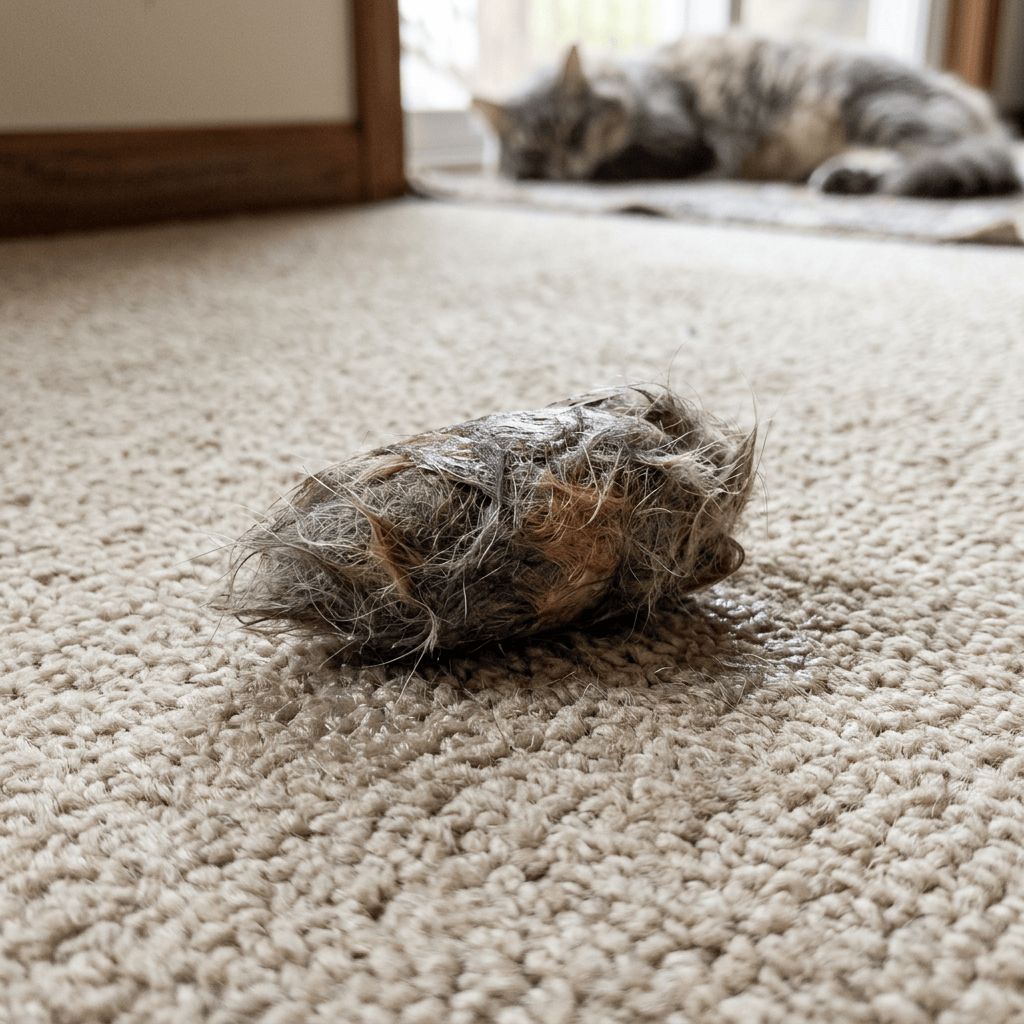
Your Cat Is A Groomer!
Cats develop hairballs due to their grooming habits, where loose hair is swallowed and can clump in the stomach. Long-haired and stressed cats are more prone to this. Symptoms include retching and expelling hair, but true choking is rare. Prevention methods include regular brushing, hydration, fiber, and monitoring over-grooming. Read more
-
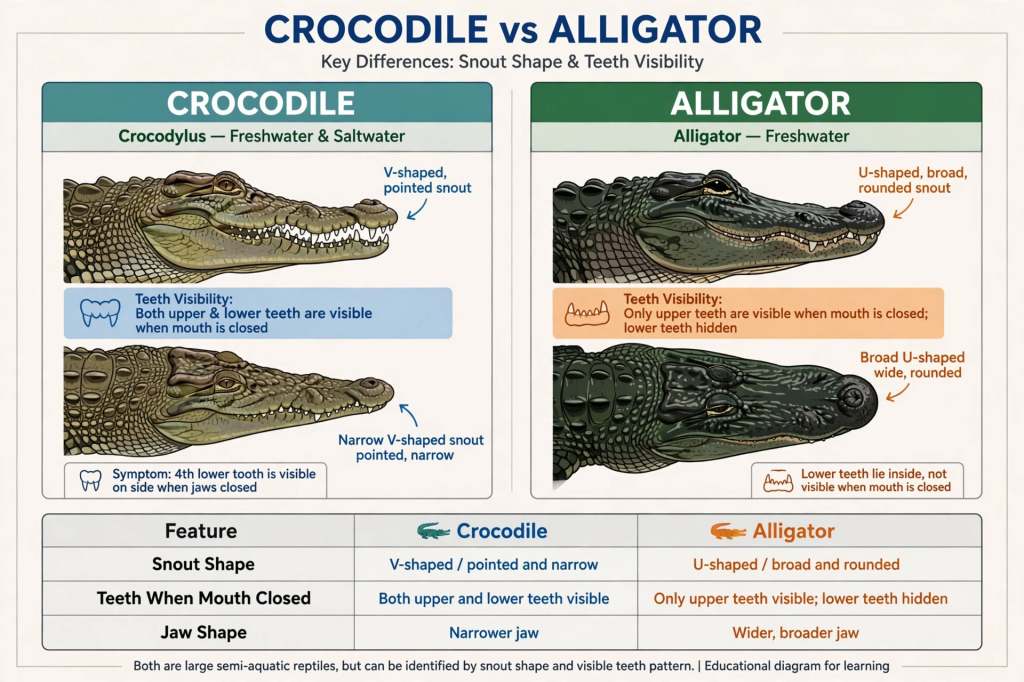
Crocodile Vs Alligator
Crocodiles can travel the ocean due to special salt glands, allowing them to filter excess salt and thrive at sea, unlike alligators, which remain primarily in freshwater areas. This difference explains their geographic distribution. Identifying them involves noting snout shapes: alligators have rounded snouts, while crocodiles have pointed ones. Read more
-

Social Media Monday
Today is Monday. We are here again to share with you our Social Media Accounts. Through these, you can be well connected. Welcome to #MarketingMondays Scroll below: Follow us on Instagram: @Henablogforpaws Follow us on LinkedIn: @HinaOsman Follow us on YouTube Join our Facebook Group: @HenaBlogForPaws Follow on FaceBook Page: @CareForFurryFriends Join me on TikTok If you… Read more
-

Friday Post
On this Friday, the message emphasizes the trust animals represent from Allah. It encourages kindness, protection, and care for them, suggesting that acts of mercy will return to the giver. The underlying principle is that the good one contributes to the world ultimately comes back to them. Read more
-
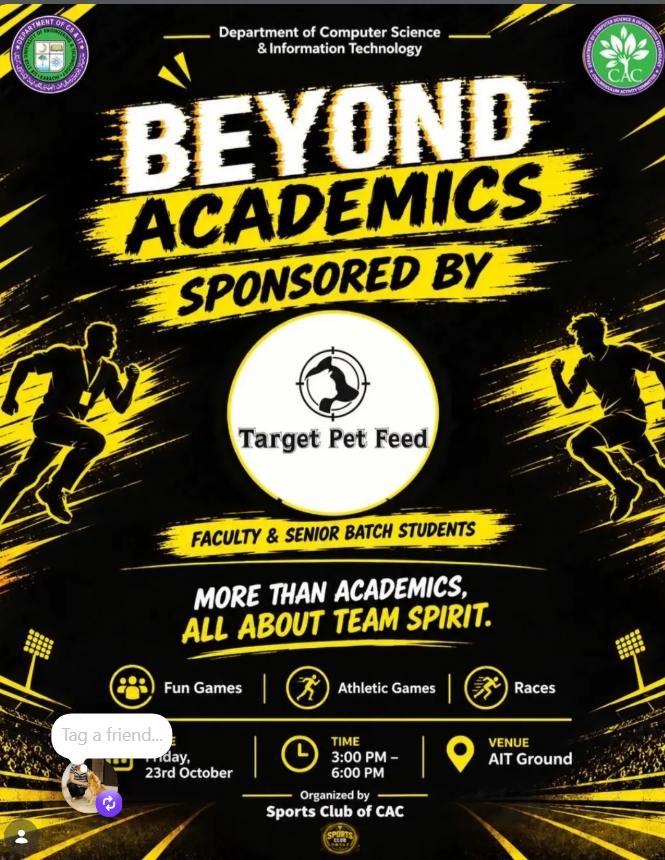
Beyond Academics
The Department of Computer Science & Information Technology invites everyone to “Beyond Academics,” an engaging event hosted by the Sports Club of CAC. Scheduled for Friday, October 23, 2026, from 3:00 PM to 6:00 PM at AIT Ground, the event features fun games and athletic competitions among faculty and students. Read more
-
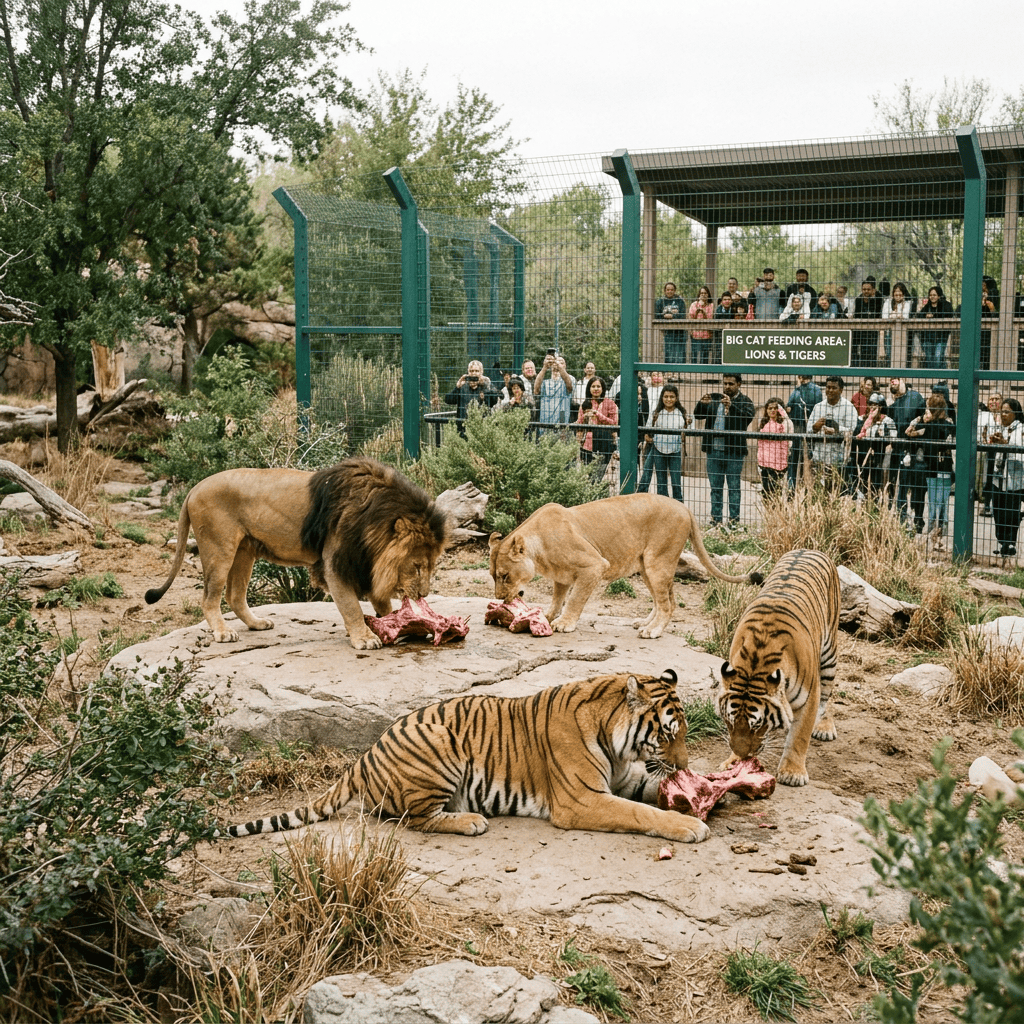
Essential Nutrients Required For Feeding Big Cats
Feeding big cats in captivity requires a diet that mimics their natural prey to ensure optimal health. Essential nutrients include protein from raw meats, fats for energy, various vitamins, minerals, and water. Whole prey diets are recommended, along with regular health checks and avoiding processed foods to maintain their well-being. Read more

