
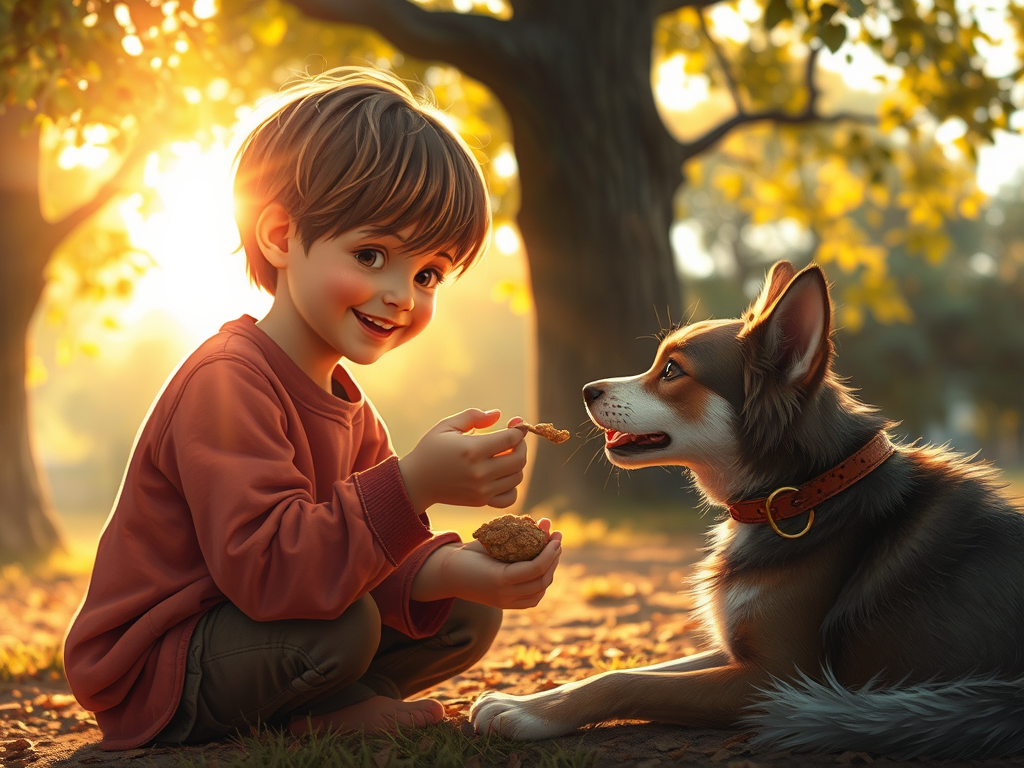
Empathy is a foundational trait that helps children grow into compassionate, responsible adults. Teaching children to empathize with stray animals not only nurtures their emotional intelligence but also encourages them to become active contributors to a more humane society. With growing numbers of stray animals across cities and towns, it’s more important than ever to guide the next generation in understanding and caring for these often-overlooked creatures.
Start with Stories and Conversations
The journey to empathy begins with storytelling. Books, movies, and short tales about animals in need can introduce children to the lives of stray animals in a gentle and engaging way. Choose age-appropriate stories that depict the challenges and emotions of animals without being overly graphic. After reading or watching, talk to your child about how the animals might feel—hungry, scared, lonely—and ask them how they would want to be treated if they were in the same situation.
These conversations help children develop perspective-taking skills, which are key to empathy. Use questions like, “How do you think that dog felt when it didn’t have a home?” or “What would you do to help if you saw a kitten alone outside?”
Model Compassionate Behavior
Children learn best by observing adults. Show kindness to stray animals in everyday situations—offer food and water, drive slowly in areas where animals may be crossing, and report injured animals to local shelters. When children see adults acting compassionately, they begin to mirror these behaviors and internalize them as their own values.
If possible, take them along when you volunteer at an animal shelter or participate in a pet food drive. Even simple acts, like putting out a bowl of water on a hot day, can show them the value of small gestures.
Encourage Interaction in Safe Environments
While it’s crucial to teach safety around stray animals, supervised interaction in controlled environments—such as shelters or animal welfare events—can be very impactful. Allow children to observe, interact, and ask questions. Seeing real animals up close makes their stories tangible and fosters a sense of responsibility and care.
Make sure children understand that not all strays are friendly or safe to approach. Teach them the difference between helping from a distance and intervening when it’s appropriate.
Use Creative Expression
Art, writing, and play can be powerful tools for building empathy. Encourage children to draw pictures of animals they want to help, write letters or poems from the point of view of a stray animal, or even role-play rescue scenarios. These activities help solidify emotional connections and allow children to explore kindness through their imagination.
Foster Responsibility Through Pet Care
If your family has pets, involve your child in their care. Feeding, grooming, and spending time with pets help children understand that animals have needs, feelings, and personalities—just like humans. This understanding naturally extends to stray animals when children realize that all animals, regardless of where they live, deserve love and respect.
A More Compassionate Tomorrow
By teaching children to empathize with stray animals, we are nurturing not only their hearts but also building a society rooted in compassion. Every small act of kindness towards animals plants a seed for a more understanding and caring world.
 Hena's Blog For Paws
Leave a comment