
Pet Care, Training, & Bonding Essentials
Hello and welcome to Hena Blog For Paws!
Your go-to destination for all things animal-related! Our blog is dedicated to sharing inspiring stories, expert advice, and entertaining content that showcases the special bond between humans and animals. Whether you’re a pet owner, animal lover, or simply looking for a dose of cuteness, we’ve got you covered!
-

Social Media Monday
Today is Monday. We are here again to share with you our Social Media Accounts. Through these, you can be well connected. Welcome to #MarketingMondays Scroll below: Follow us on Instagram: @Henablogforpaws Follow us on LinkedIn: @HinaOsman Follow us on YouTube Join our Facebook Group: @HenaBlogForPaws Follow on FaceBook Page: @CareForFurryFriends Join me on TikTok If you… Read more
-

Discover the Blessings from Animals: A Compassionate Perspective
The content discusses the unique blessings animals can provide and emphasizes the importance of understanding and valuing them. It highlights that compassion resides in every soul, suggesting a deeper connection between humans and animals. For further insights, readers are encouraged to watch a related video. Read more
-
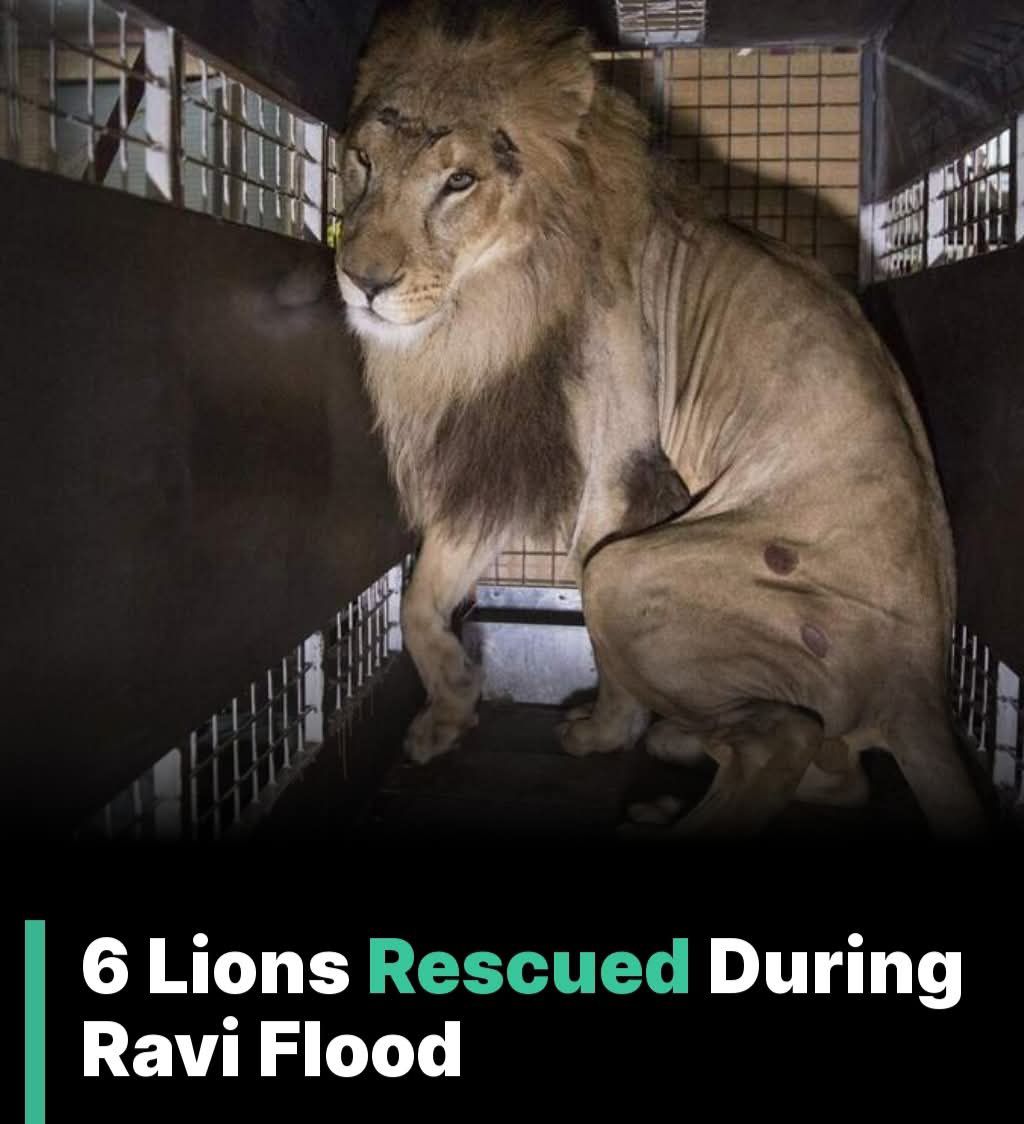
Successful Rescue of Six Lions from Floodwaters
Six lions were rescued from rising floodwaters along the Ravi River by wildlife officials and local volunteers. They faced challenging conditions but successfully transported the lions to a secure shelter. The incident emphasizes the need for disaster preparedness for wildlife and the shared responsibility to safeguard both humans and animals during crises. Read more
-

Ethical Treatment of Animals in Islam
Animals occupy a special place in Islam. They are not merely resources for human use. They are living beings created by Allah with dignity and purpose. Both the Qur’an and the Hadith provide extensive guidance on the ethical treatment of animals, stressing compassion, mercy, and accountability. Islam teaches that how humans treat animals reflects their… Read more
-
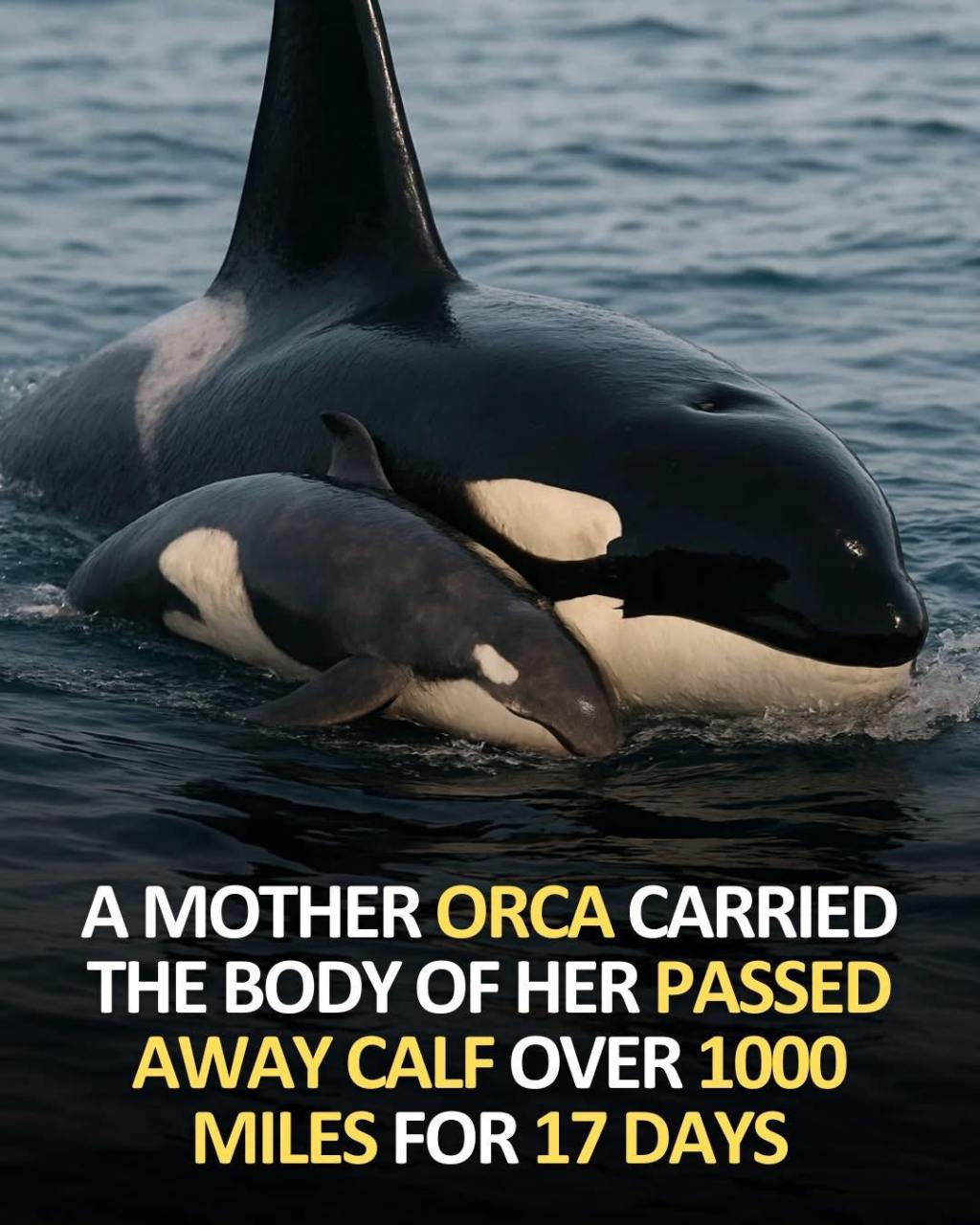
Tahlequah: The Orca
In 2018, orca Tahlequah (J35) drew global attention by carrying her dead calf for 17 days, covering over 1,000 miles. This “tour of grief” highlighted the emotional bonds of orcas and their struggles against declining salmon populations. Her story urges action to protect endangered species and their ecosystems. Read more
-

Happy New Month Of September 2025
September is a month for fresh beginnings, encouraging hope and positivity. It invites us to let go of past burdens and embrace new opportunities while promoting kindness and compassion towards others and ourselves. This month is an ideal time to practice love and gratitude, fostering peace and personal growth. Read more
 Hena's Blog For Paws