
Pet Care, Training, & Bonding Essentials
Hello and welcome to Hena Blog For Paws!
Your go-to destination for all things animal-related! Our blog is dedicated to sharing inspiring stories, expert advice, and entertaining content that showcases the special bond between humans and animals. Whether you’re a pet owner, animal lover, or simply looking for a dose of cuteness, we’ve got you covered!
-

Why Stray Cats Display More Aggression Than Domestic Cats
Stray cats tend to be more aggressive than domestic cats due to factors like survival instincts, territorial protection, limited human interaction, malnutrition, trauma, and lack of socialization. Unlike domestic cats, which receive regular care and live in stable environments, stray cats face heightened aggression and fear based on their experiences. Read more
-

Essential Nutrients for a Healthy Cat Diet
To maintain your cat’s health, ensure their diet includes essential nutrients. Key components are protein sources like chicken, salmon, and turkey, whole grains such as brown rice and oats, vegetables like sweet potatoes and green beans, and crucial supplements like taurine and omega-3 fatty acids. Consult your vet for tailored advice. Read more
-

Social Media Monday
Today is Monday, and we invite you to connect with us through our social media accounts. Follow us on Instagram, LinkedIn, YouTube, and Facebook. We’re also welcoming contributions to our blog and provide donation details for those interested in supporting our cause. Join us for #MarketingMondays! Read more
-
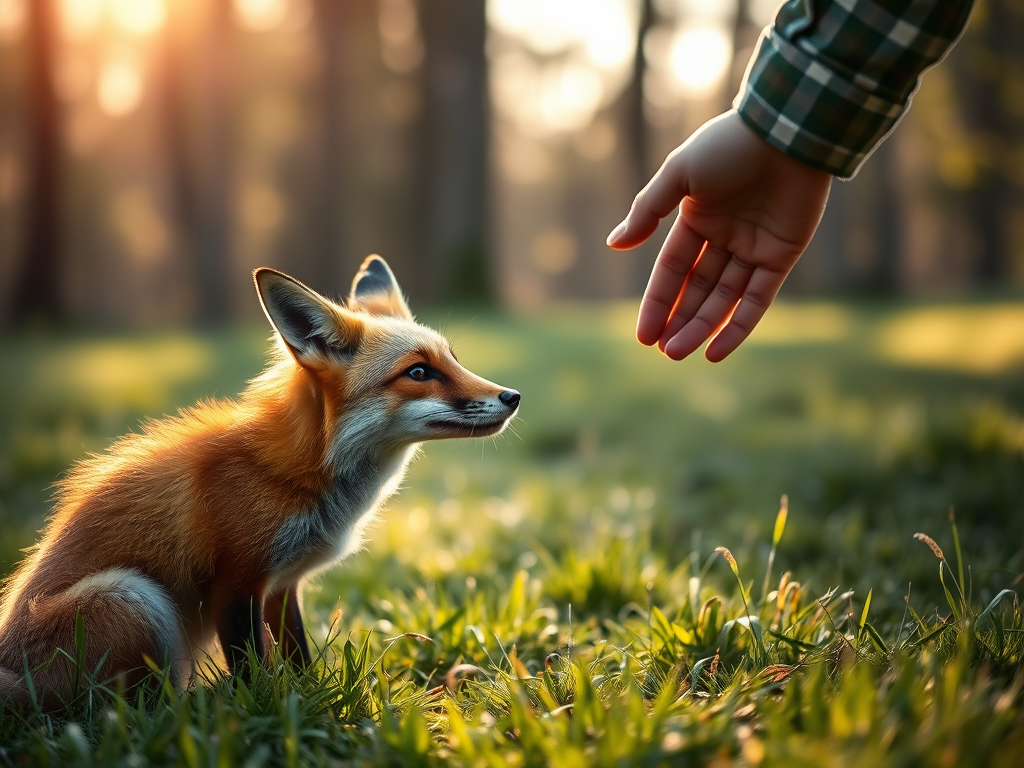
Bonding Between A Fox And A Human
Foxes are wild animals that can form connections with humans, but it’s important to respect their natural behavior and boundaries. Observing them, using positive reinforcement, and ensuring proper care can help. However, potential challenges include their wild instincts, safety concerns, legal regulations, and the need for long-term commitment. Read more
-
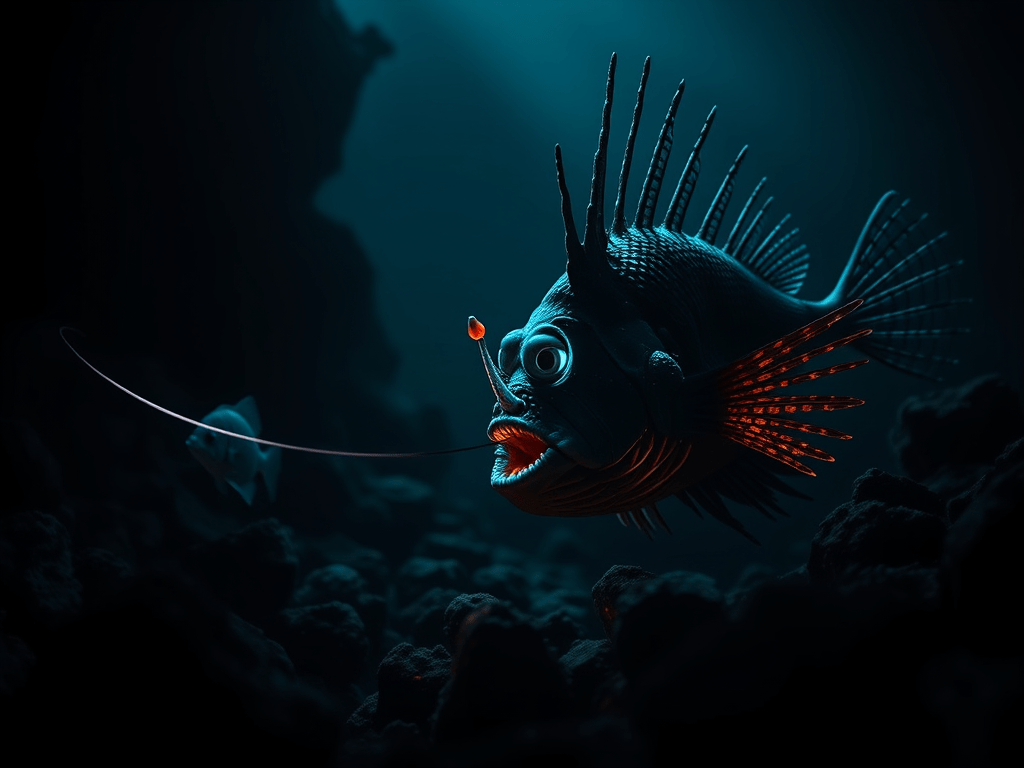
What You Should Know About “AnglerFish”
Anglerfish, deep-sea dwellers with a lifespan of 6-20 years, are fascinating yet mysterious creatures found in oceans globally. Their bioluminescent lure aids in predation, while their symbiotic relationships with bacteria enhance survival in harsh conditions. Rare surface visits occur during larval stages or due to environmental factors, intriguing scientists and marine enthusiasts. Read more
-

Friday Post: It’s All About Luck
The content outlines a step-by-step approach for assisting a bear in need. It emphasizes assessing the situation from a safe distance, contacting wildlife authorities, providing appropriate support if advised, avoiding direct intervention, and monitoring the bear’s condition while prioritizing safety for both humans and bears. Read more
 Hena's Blog For Paws