
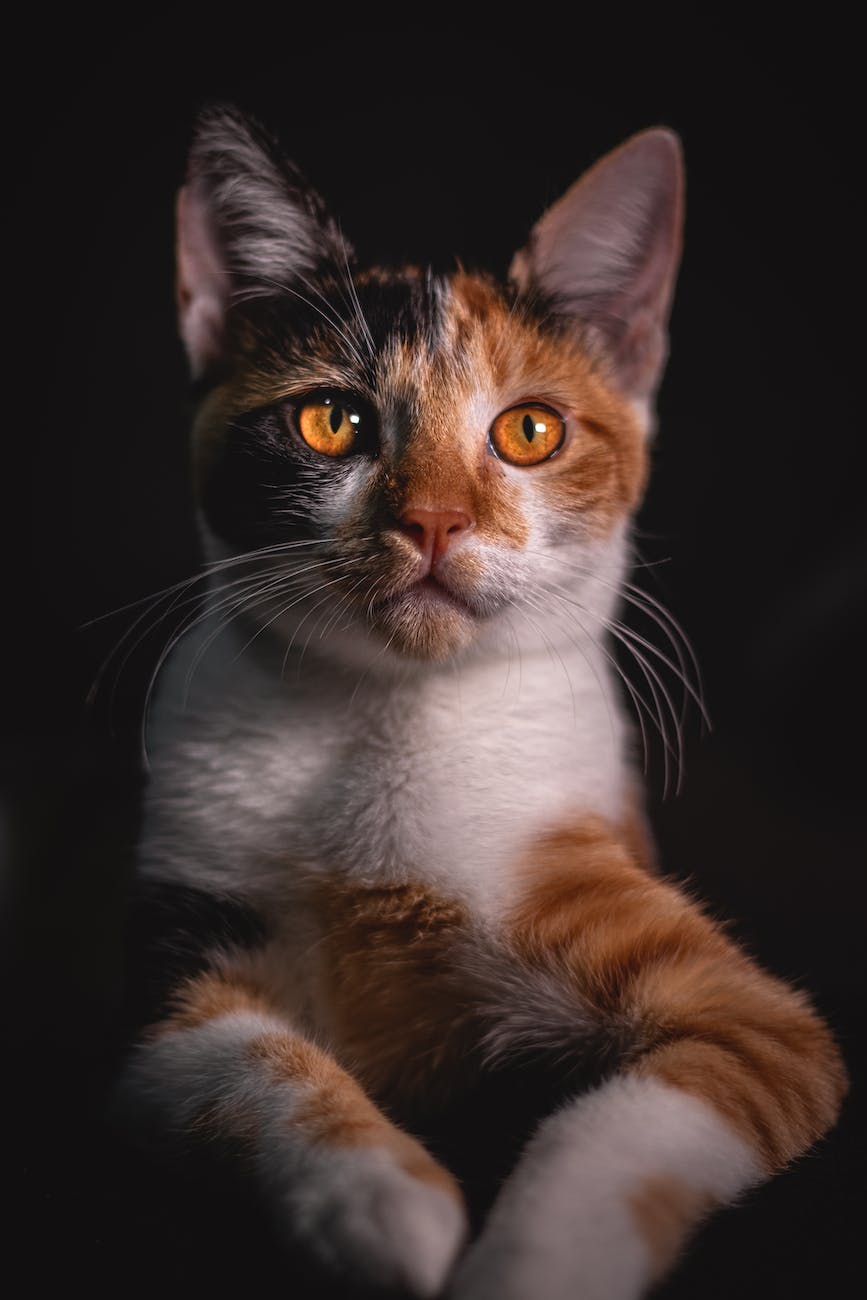
In Islam, cats are generally regarded as clean animals and are not considered impure. The Prophet Muhammad, peace be upon him, is reported to have had a fondness for cats and treated them with kindness and respect. There are several Hadiths (sayings and actions of the Prophet Muhammad) that mention his interactions with cats.
One famous Hadith tells the story of a companion of the Prophet Muhammad named Abu Huraira, who was known for his love of cats. It is narrated that the Prophet Muhammad gave Abu Huraira the nickname “Abu Huraira,” which means “father of the kitten,” because of his affection for cats. This incident highlights the positive attitude towards cats in Islamic tradition.
Cats are also mentioned in the context of cleanliness in Islamic teachings. Muslims are required to perform ablution (wudu) before their prayers, and if a cat licks a utensil or drinks from a container, it is not considered impure. The utensil or container only needs to be washed with water before it can be used for ablution. However, it is worth noting that while cats are generally considered clean, the ruling may vary on whether they are allowed inside the house or in specific areas such as prayer areas. Some scholars consider it permissible, while others may have different opinions based on cultural and regional practices.
In summary, cats are generally regarded positively in Islam, and the Prophet Muhammad’s interactions with cats have set an example of kindness and compassion towards them. However, specific rulings and practices regarding cats may vary among different Islamic scholars and communities.
Follow us on our Facebook Group


 Hena's Blog For Paws
Leave a reply to oliviasmith66 Cancel reply