
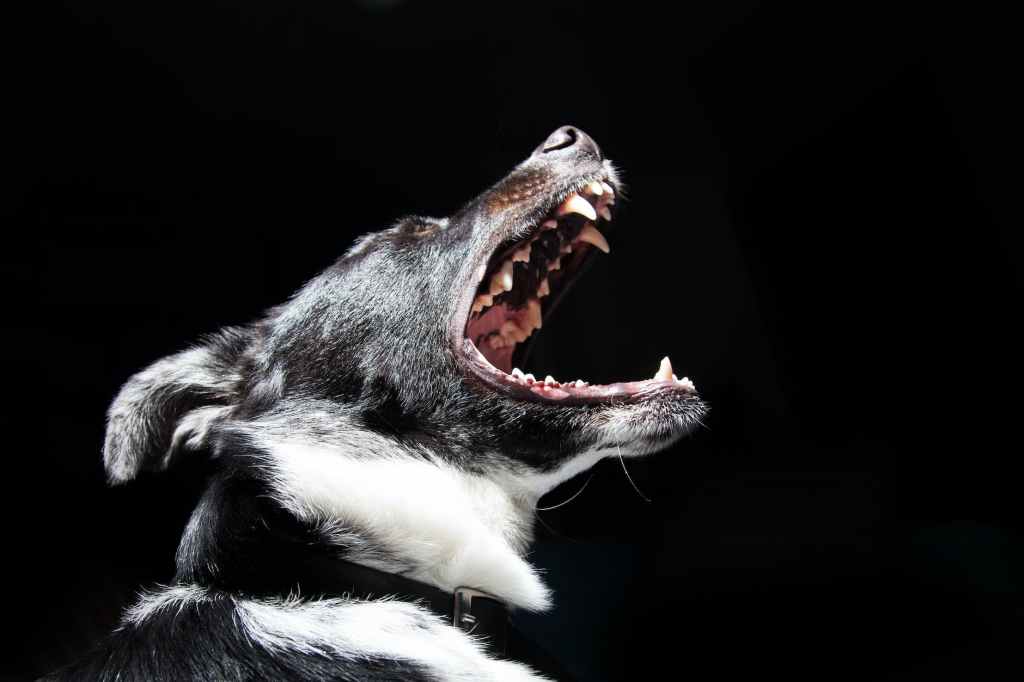
Animals can indeed experience states of distress and behavioral changes that resemble what we might refer to as a “depressed” state in humans. While the term “depression” might not capture the full complexity of what animals experience, there are behaviors and symptoms that suggest they are going through a difficult emotional period. However, diagnosing depression in animals is challenging because we can’t directly ask them about their feelings.
Here are some signs that are often associated with a depressed state in animals:
- Social Withdrawal: Animals that are usually social and outgoing may suddenly become isolated and avoid interaction with other animals or humans.
- Changes in Appetite: Just like in humans, a decrease or increase in appetite can be a sign of emotional distress. Some animals might eat less or even stop eating altogether, while others might overeat.
- Lethargy: Depressed animals may show a lack of interest in activities they once enjoyed. They might sleep more than usual and seem generally lethargic.
- Loss of Interest: An animal that used to be engaged in play, exploration, or other activities might lose interest in these behaviors.
- Agitation or Restlessness: On the other end of the spectrum, some animals might exhibit increased agitation or restlessness, pacing, and seeming unable to settle down.
- Changes in Grooming Habits: Depressed animals may neglect their grooming routines, leading to a disheveled appearance.
- Physical Symptoms: Some animals might develop physical symptoms like digestive issues, changes in bathroom habits, or other health problems as a result of their emotional distress.
- Vocalizations: Changes in vocalization patterns, such as increased whining, meowing, or barking, can be indicative of emotional distress.
It’s important to note that these behaviors could also be caused by various medical conditions, so it’s crucial to rule out any underlying health issues through a visit to a veterinarian. If you suspect that your pet is going through a difficult emotional period, it’s a good idea to consult with a veterinarian or an animal behaviorist. They can provide guidance on how to support your pet’s emotional well-being and offer advice on potential interventions, which might include environmental enrichment, changes in routine, social interaction, and in some cases, medications.
In the case of wild animals, it’s more difficult to observe and assess their mental state, but researchers do study behaviors in the wild that might correspond to emotional distress. Keep in mind that our understanding of animal emotions is still an evolving field of research, and there’s much we don’t yet fully comprehend about the inner lives of animals.
Follow us on our Facebook Group
Hena’s Blog For Paws © 2019 by Hena Osman is licensed under CC BY 4.0
 Hena's Blog For Paws
Leave a comment