
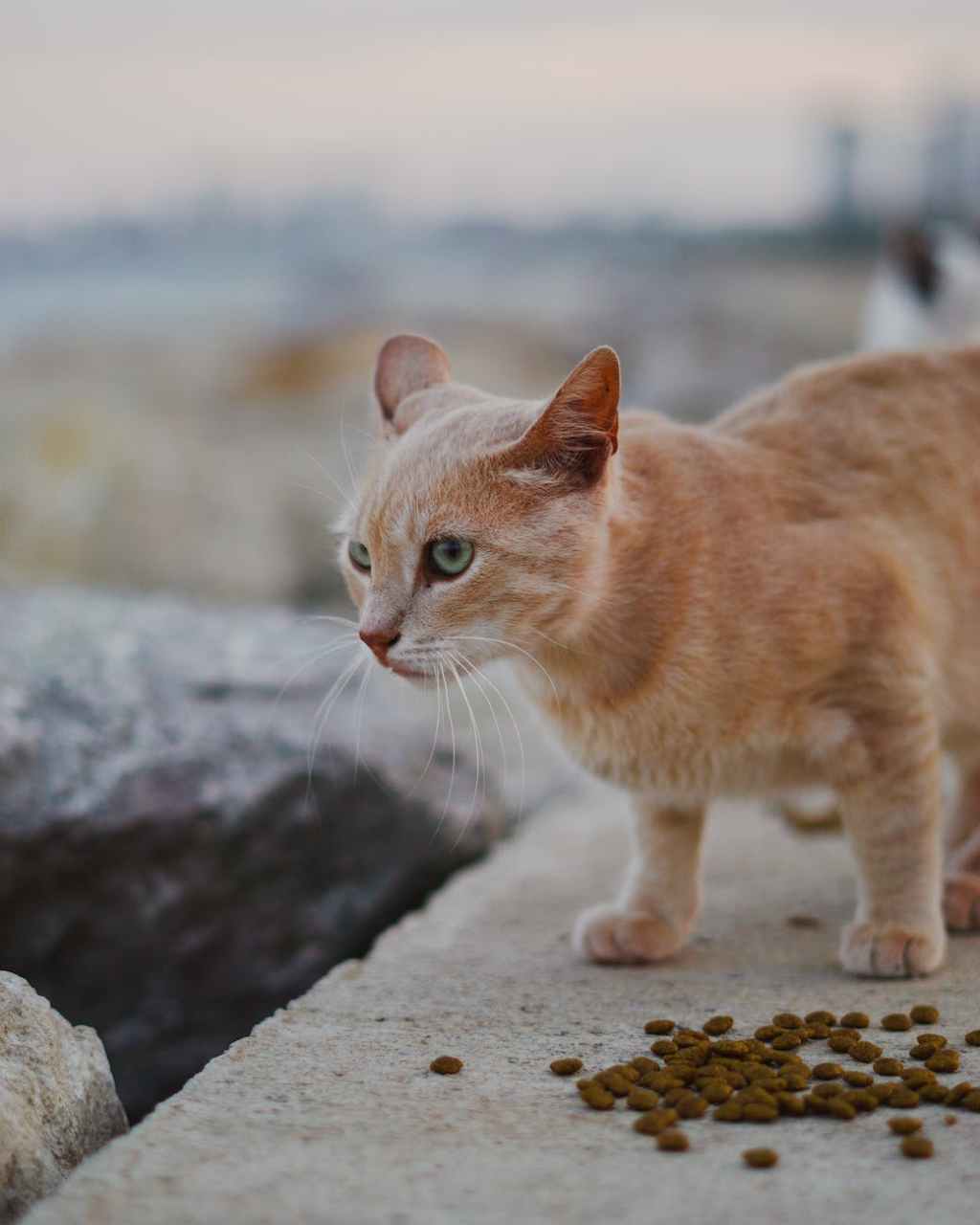
Dry cat food, often referred to as kibble, can be a convenient option for cat owners, but whether it is good for a cat’s digestive system depends on several factors, some of them are listed below:
- Quality of the Dry Food: The quality of the dry cat food plays a significant role in its digestibility. High-quality dry cat food contains premium ingredients that are easier for cats to digest. Look for options that list a high-quality protein source (like chicken or fish) as the main ingredient and avoid products with excessive fillers, artificial additives, and low-quality grains.
- Hydration: One of the primary concerns with dry cat food is its low moisture content. Cats are obligate carnivores, and their natural diet consists of prey animals with a high moisture content. Feeding dry cat food exclusively can lead to insufficient hydration, which may contribute to urinary tract problems and kidney issues in some cats. To mitigate this, it’s essential to ensure your cat has access to fresh water at all times.
- Dental Health: Some dry cat foods are marketed as promoting dental health by reducing tartar buildup. While chewing kibble can have some benefit for dental health, it’s not a substitute for regular dental care, such as brushing your cat’s teeth or providing dental treats specifically designed for this purpose.
- Individual Cat’s Health and Preferences: Cats are individuals, and their digestive systems vary. Some cats may do well on a diet primarily composed of high-quality dry food, while others may experience digestive issues, such as constipation or diarrhea. If your cat has specific dietary sensitivities or allergies, it’s essential to choose a food that addresses these needs.
- Balancing with Wet Food: Many veterinarians recommend incorporating wet cat food into your cat’s diet. Wet cat food has a higher moisture content, which can help maintain proper hydration and may be easier on the digestive system. It can also be a good option for cats with urinary or kidney issues.
- Consulting with a Veterinarian: The best way to determine whether dry cat food is suitable for your cat’s digestive system is to consult with a veterinarian. Your vet can assess your cat’s individual health needs and provide dietary recommendations tailored to your cat’s age, breed, activity level, and any underlying medical conditions.
In conclusion, while high-quality dry cat food can be a part of a balanced diet for some cats, it’s essential to consider your cat’s specific needs and consult with a veterinarian. Combining dry food with wet food and ensuring your cat stays adequately hydrated are steps you can take to support your cat’s digestive health and overall well-being. Ultimately, the best diet for your cat will depend on their individual requirements and preferences.
Hena’s Blog For Paws © 2019 by Hena Osman is licensed under CC BY 4.0
 Hena's Blog For Paws
Leave a comment