
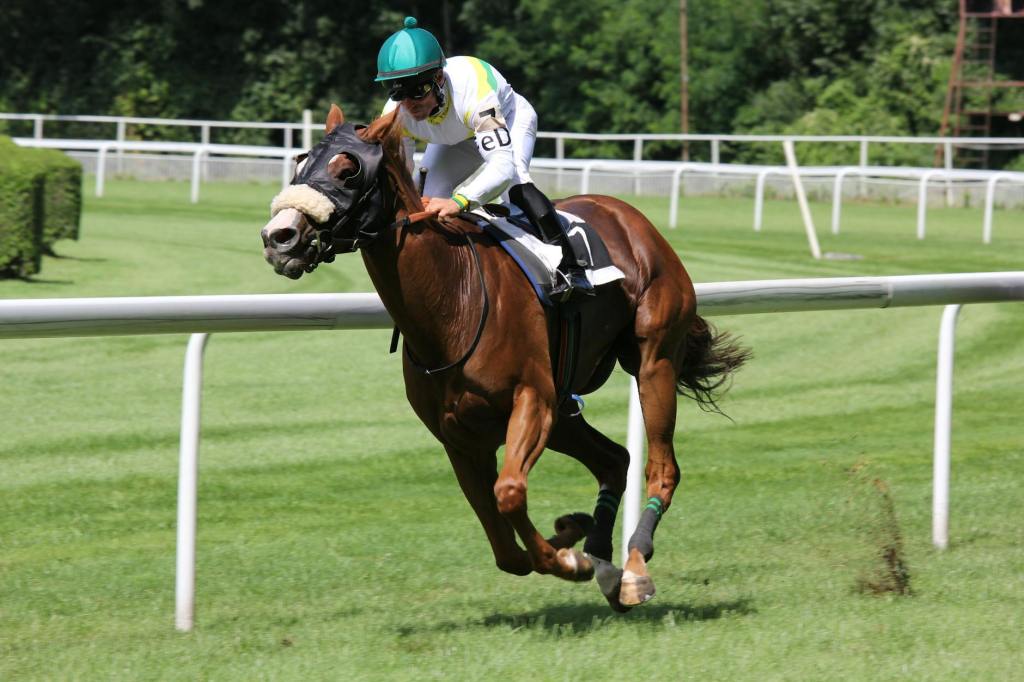
“Derby” is often associated with horse racing events, particularly prestigious races for three-year-old Thoroughbred horses. One of the most famous examples is the Kentucky Derby, which takes place annually at Churchill Downs in Louisville, Kentucky, USA. Here’s what typically happens to the horses at such a horse racing Derby:
- Training and Qualification:
- Horses selected for the Derby undergo extensive training leading up to the race. They must qualify based on their performance in previous races and accumulate sufficient points to secure a spot in the field.
- Arrival at the Track:
- Horses participating in the Derby are transported to the race track, where they are stabled in designated areas. Trainers and handlers oversee the care and preparation of the horses.
- Pre-Race Preparation:
- On the day of the race, horses go through a pre-race routine that includes grooming, saddling, and warm-up exercises. Trainers and jockeys work together to ensure that the horse is physically and mentally prepared for the race.
- Post Parade:
- Before the race, there is often a “post parade” where the horses are led around the track in front of the spectators. This provides the audience with an opportunity to see the horses up close and observe their physical condition.
- The Race:
- The Derby race itself is a high-stakes competition. The horses, each ridden by a jockey, compete in a fast-paced race over a specified distance (in the case of the Kentucky Derby, the distance is 1 1/4 miles). The first horse to cross the finish line is declared the winner.
- Winners and Awards:
- The winning horse, along with its jockey, trainer, and owner, is awarded various accolades and prizes. The winning horse often receives a garland of roses (hence the nickname “The Run for the Roses” for the Kentucky Derby) and is celebrated in a victory ceremony.
- Post-Race Care:
- After the race, horses are taken back to the stable area, where they receive post-race care, including cooling down, grooming, and a thorough examination by veterinarians. The well-being of the horses is a top priority, and any injuries or concerns are addressed promptly.
- Future Racing or Retirement:
- Depending on the horse’s performance and condition, it may continue to participate in future races or be retired from competitive racing. Horses that have excelled in Derby races often become valuable in breeding programs.
It’s important to note that the welfare of the horses is a central focus in the horse racing industry. Racing authorities and organizations implement various measures to ensure the health and safety of the horses throughout their racing careers. Additionally, advancements in veterinary care and equine science contribute to the well-being of these athletes.
Hena’s Blog For Paws © 2019 by Hena Osman is licensed under CC BY 4.0
 Hena's Blog For Paws
Leave a comment