
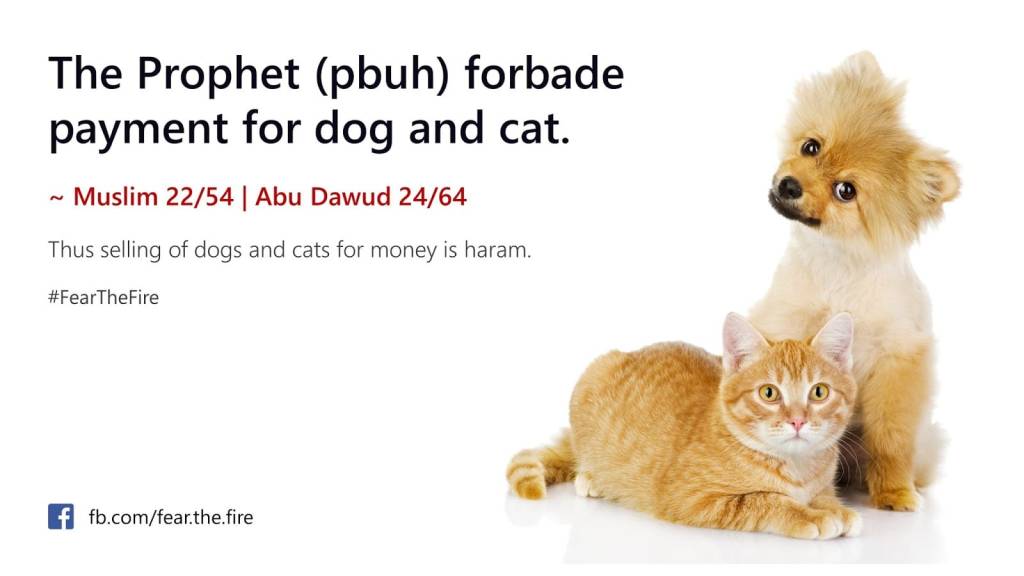
In Islam, the issue of selling dogs and cats is not explicitly addressed in the Quran, which is the central religious text of Islam. However, there are some general guidelines and principles within Islamic jurisprudence (fiqh) that may be applicable to the selling of animals.
- Treatment of Animals: Islam teaches compassion and kindness towards animals. The Prophet Muhammad (peace be upon him) emphasized the importance of treating animals with care and respect. This includes providing them with proper food, water, shelter, and medical care.
- Trade in Living Beings: While the Quran does not specifically mention selling dogs and cats, there are verses that prohibit unethical trade practices or exploitation of living beings. Muslims are encouraged to engage in honest and fair trade practices and to avoid transactions that involve exploitation or harm to others.
- Specific Prohibitions: In some Islamic traditions, there are specific prohibitions regarding certain types of transactions involving animals. For example, there is a Hadith (recorded saying or action of the Prophet Muhammad) that discourages the selling of dogs except for specific purposes such as hunting, herding, or guarding. This is because dogs are considered impure in some Islamic legal schools, and keeping them as pets is discouraged.
- Cats: Cats, on the other hand, are generally viewed favorably in Islamic tradition. There are Hadiths that praise the virtues of cats and encourage kindness towards them. However, there are no specific prohibitions on selling or trading cats.
The principles of compassion, fairness, and ethical treatment of animals are emphasized in Islam. Muslims are encouraged to conduct their business dealings with integrity and to consider the well-being of animals in all transactions.
Hena’s Blog For Paws © 2019 by Hena Osman is licensed under CC BY 4.0
 Hena's Blog For Paws
Leave a comment