
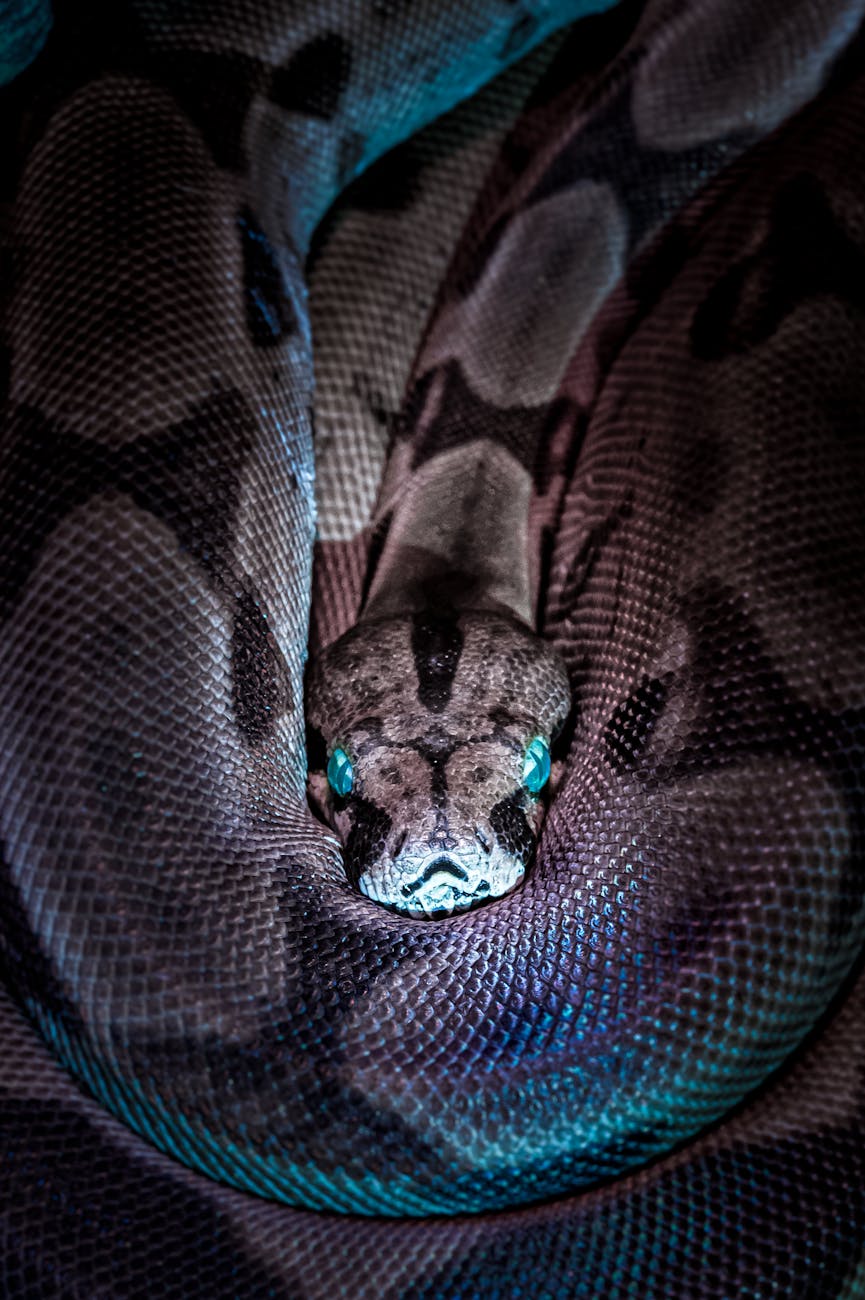
Snakes, one of the most unique creature of the Wild, when we call them Predators, we are identifying them as a creature who can eat anything but always cares for his diet, as in, they won’t just eat anything, they prefer on their type of specie, size and habitat.
This is what I am able to gather about this unique creature, Snake:
- Rodents: Many snake species prey on rodents such as mice, rats, and voles. These small mammals are a staple in the diet of numerous snake species.
- Birds and Eggs: Snakes may also feed on birds and their eggs, especially if they live in areas where birds nest.
- Amphibians and Reptiles: Some snakes consume amphibians like frogs and salamanders, as well as other reptiles such as lizards and smaller snakes.
- Insects and Invertebrates: Certain snake species, particularly smaller ones, eat insects, worms, and other invertebrates.
- Fish: Snakes that inhabit aquatic environments, such as water snakes, may primarily feed on fish.
While snakes have a wide range of potential prey, their diet is typically limited to animals they can capture and swallow whole or in large pieces. Additionally, snakes have specific hunting techniques and may exhibit preferences for certain types of prey based on factors such as availability and ease of capture.
Snakes shed their skin through a process called ecdysis, commonly known as molting. This process is essential for their growth, health, and overall well-being. Here’s how and why snakes shed their skin:
- Growth: Like other reptiles, snakes have scales covering their body. As snakes grow, their skin does not stretch like mammalian skin does. Instead, they need to shed their old skin to accommodate their increasing size. Younger snakes shed their skin more frequently than adults because they are growing rapidly.
- Regeneration: Shedding allows snakes to replace old or damaged skin. As they shed, they also shed parasites, bacteria, and old cells, which helps keep their skin healthy and free from infection.
- Renewal of Sensory Organs: Snakes have specialized sensory organs, such as heat-sensitive pits and scales that help them detect vibrations and changes in their environment. Shedding allows them to renew these sensory organs, ensuring they remain sensitive and functional.
- Camouflage and Appearance: Shedding helps snakes maintain their camouflage and appearance. A fresh layer of skin often appears brighter and more vibrant, allowing snakes to blend into their surroundings more effectively and potentially making them more attractive to potential mates.
The shedding process typically begins with the snake’s skin becoming dull and cloudy as a new layer of skin forms underneath. As the new skin develops, the old skin loosens and separates from the body. Snakes often rub against rough surfaces or objects to help remove the old skin. Once the shedding process is complete, the snake emerges with a shiny new layer of skin.
Overall, shedding is a natural and necessary process for snakes, enabling them to grow, regenerate, and maintain their health and appearance.
Hoping this information was useful and helpful. It is really interesting the more we read, the more we explore and learn more about these Animals and beings.
Hena’s Blog For Paws © 2019 by Hena Osman is licensed under CC BY 4.0
 Hena's Blog For Paws
Leave a comment