
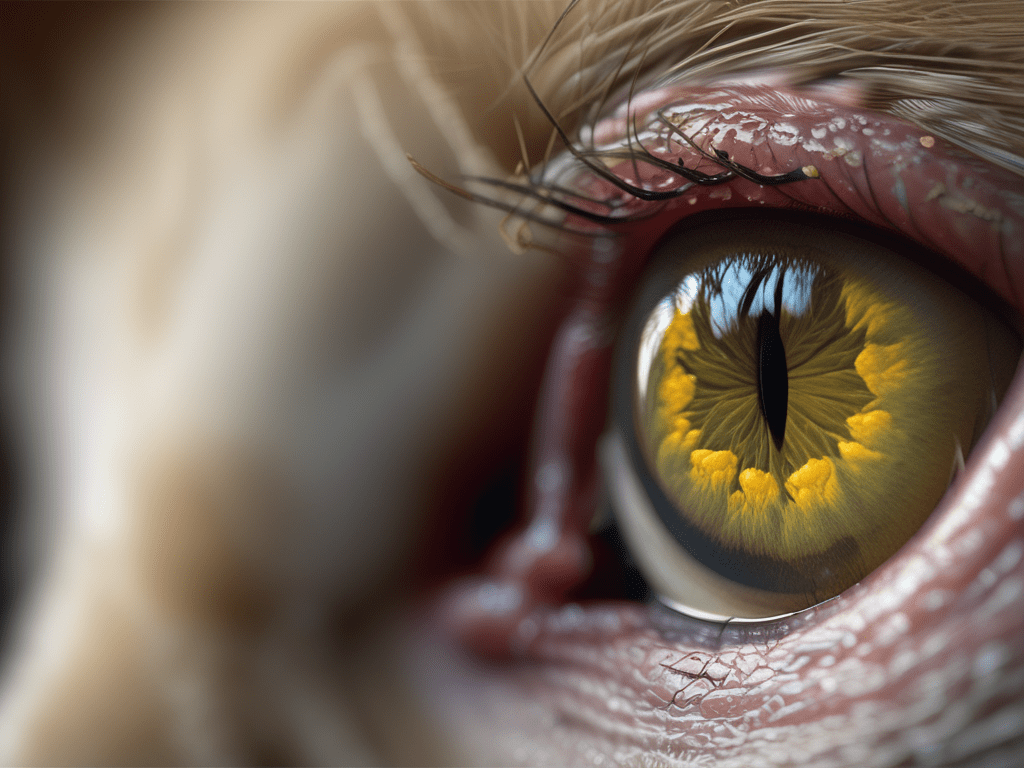
Ever wondered why I always speak about gaining knowledge of why these animals exists and what and how are we supposed to deal with them:
- Conservation and Biodiversity:
- Protection of Species: Understanding animal behavior, habitats, and ecosystems is crucial for the conservation of endangered species and biodiversity. Knowledge allows us to create effective conservation strategies and policies.
- Ecosystem Balance: Animals play specific roles in ecosystems. Knowledge of these roles helps in maintaining ecological balance, which is vital for the health of the planet.
- Human Safety and Well-being:
- Preventing Human-Animal Conflicts: Knowledge about animals can prevent dangerous encounters and reduce conflicts. For example, knowing how to behave around wild animals or understanding which animals might be dangerous can save lives.
- Health Implications: Understanding animals and their habitats can help prevent the spread of zoonotic diseases (diseases transmitted from animals to humans), such as rabies or Lyme disease.
- Ethical and Compassionate Treatment:
- Animal Welfare: Knowledge promotes the humane treatment of animals, whether in the wild, on farms, or as pets. Understanding their needs and behaviors helps ensure they are treated with compassion and respect.
- Ethical Decisions: Educated individuals can make informed ethical decisions regarding animal use in entertainment, research, and other fields.
- Environmental Awareness and Responsibility:
- Sustainability: Understanding the impact of human activities on animal habitats and ecosystems fosters more sustainable practices. This includes responsible tourism, sustainable farming, and reducing pollution.
- Climate Change Mitigation: Knowledge about animals and ecosystems contributes to efforts to mitigate climate change, as many animals are indicators of environmental health and change.
- Scientific and Educational Value:
- Scientific Discovery: Studying animals can lead to scientific breakthroughs in medicine, technology, and other fields. For example, research on animal biology and behavior can inspire new medical treatments or technological innovations.
- Educational Enrichment: Learning about animals enhances educational curricula and promotes curiosity, critical thinking, and a greater understanding of the natural world.
- Cultural and Recreational Benefits:
- Cultural Heritage: Many cultures have deep connections with certain animal species, which are integral to their traditions, stories, and identities.
- Recreation and Enjoyment: Animals are a source of joy and inspiration for many people, providing opportunities for wildlife watching, photography, and other recreational activities that enrich human life.
- Psychological and Emotional Benefits:
- Mental Health: Interacting with animals has been shown to have positive effects on mental health, reducing stress, anxiety, and loneliness. Pets, in particular, provide companionship and emotional support.
- Connection to Nature: Understanding animals fosters a deeper connection to nature, promoting well-being and a sense of stewardship for the environment.
Overall, knowledge about animals is integral to fostering a harmonious coexistence between humans and the natural world, promoting sustainability, and ensuring the health and well-being of both humans and animals.
Hena’s Blog For Paws © 2019 by Hena Osman is licensed under CC BY 4.0
 Hena's Blog For Paws
Leave a comment