
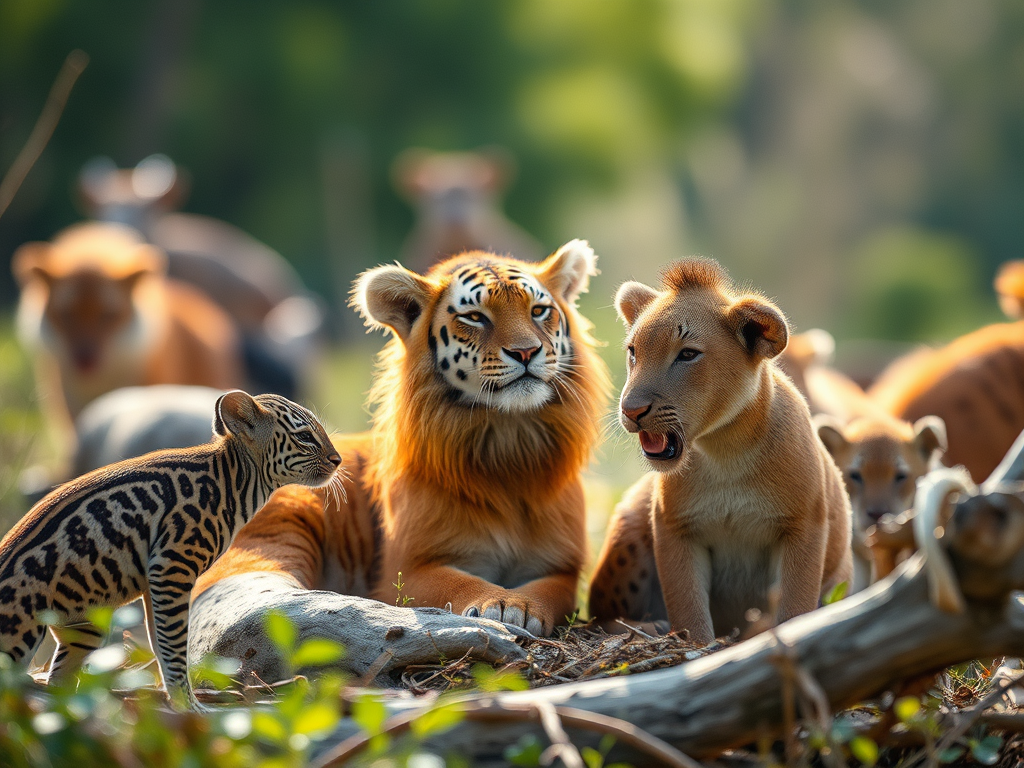
There have been many questions about why are animals important on this land, where according to many people, they are just an hindrance to their daily routine. animals play a crucial role in the balance and health of our planet. Here’s why their existence is so important:
1. Biodiversity and Ecosystem Health:
- Ecological Balance: Animals contribute to the balance of ecosystems by fulfilling various roles like predators, prey, pollinators, and decomposers.
- Biodiversity: The variety of animal species contributes to the richness of biodiversity, which is essential for ecosystem resilience and adaptability.
2. Pollination and Food Production:
- Pollinators: Many animals, including bees, butterflies, and birds, are vital pollinators. They help plants reproduce, which is essential for producing fruits, vegetables, and other crops.
- Food Web: Animals are integral parts of the food web. Predators control the population of herbivores, which prevents overgrazing and helps keep the balance of plant life.
3. Cultural and Spiritual Significance:
- Cultural Importance: Animals have deep cultural, religious, and spiritual significance in many societies. They are often symbols in folklore, art, and traditions.
- Inspiration and Learning: Observing animals can inspire creativity and give insights into behavior, survival, and adaptation.
4. Economic Impact:
- Tourism: Wildlife tourism generates significant revenue and supports conservation efforts. People travel globally to experience animals in their natural habitats.
- Agriculture: Domestic animals give food, labor, and other resources, supporting economies worldwide.
5. Scientific Research:
- Medical Advancements: Animals play a critical role in research, leading to advancements in medicine, including the development of vaccines and treatments for diseases.
- Environmental Indicators: Animals are often indicators of environmental health, signaling changes in climate, pollution levels, and ecosystem stability.
6. Ethical and Moral Responsibility:
- Inherent Value: Animals have intrinsic value and deserve to be treated with respect and compassion. Protecting animals reflects our ethical responsibility as stewards of the planet.
- Companionship: Many animals, especially pets, provide companionship and emotional support, enhancing human well-being.
7. Maintaining Natural Resources:
- Nutrient Cycling: Animals contribute to nutrient cycling in ecosystems by breaking down organic material, enriching the soil, and supporting plant growth.
- Seed Dispersal: Many animals, like birds and mammals, help disperse seeds, aiding in plant propagation and forest regeneration.
8. Conservation and Future Generations:
- Sustainability: Protecting animal species and their habitats ensures that future generations can enjoy and gain from the natural world.
- Global Responsibility: The conservation of animals is a global responsibility, requiring cooperation and commitment to preserving our planet’s natural heritage.
Animals are not just inhabitants of the Earth; they are essential to its survival and the well-being of all life forms, including humans. Their existence enriches our lives, supports our ecosystems, and reminds us of the interconnectedness of all living things.
Hoping this would suffice all the questions that have been wandering on my e-mail as well as DM’s. Animals are a blessing and just like Humans, they are the best CREATION of ALMIGHTY, so, it is our responsibility to take care of these Animals in the best way possible.
Hena’s Blog For Paws © 2019 by Hena Osman is licensed under CC BY 4.0
 Hena's Blog For Paws
Leave a comment