
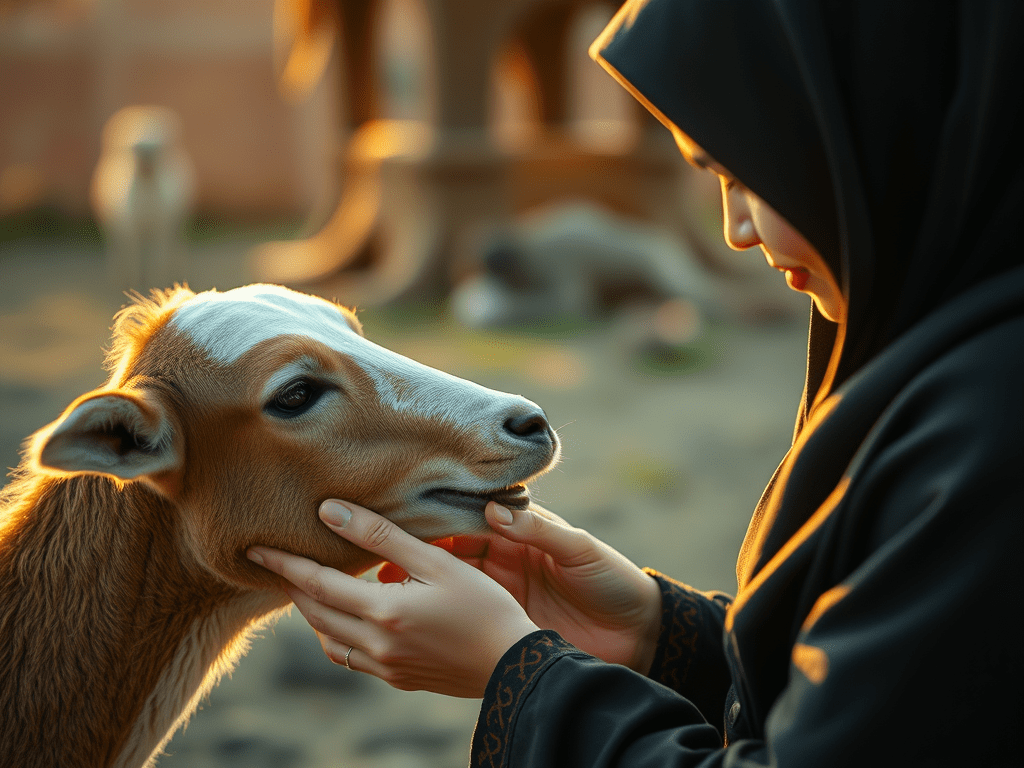
Islam is a beautiful religion which teaches us kindness, to have empathy for all the animals, to share the affection and create bonding with one another. The Qur’an and Hadith (sayings and practices of Prophet Muhammad, peace be upon him) show a deep respect for all living creatures, emphasizing compassion, mercy, and the responsible stewardship of animals. The religion recognizes animals as part of God’s creation, with specific guidelines about their treatment, reflecting a broader environmental ethic within Islam.
Animals as Signs of God’s Creation
The Qur’an often draws attention to animals as signs (Ayat) of God’s creation, encouraging humans to think about their existence as manifestations of His power and wisdom. In several verses, animals are highlighted for their roles in the ecosystem and as a reminder of God’s mercy. For instance, in Surah An-Nahl (16:5-8), God says:
“And the cattle, He has created them for you; in them there is warmth (from their wool), and numerous benefits, and from them you eat. And there is beauty in them for you when you bring them home in the evening and as you lead them out to pasture in the morning.” (16:5-6)
This verse emphasizes the utilitarian benefits humans derive from animals but also encourages recognition of their beauty and the harmonious relationship that should exist between humans and animals.
Humane Treatment of Animals
Prophet Muhammad (PBUH) stressed the importance of treating animals with kindness and compassion. Several Hadiths emphasize that animals, like humans, have rights that must be respected. One of the most famous narrations states that a woman was condemned to Hell because she mistreated a cat by imprisoning it without providing food, leading to its death. On the other hand, a prostitute was forgiven and admitted to Heaven because she gave water to a thirsty dog:
“A prostitute was forgiven by Allah because, passing by a panting dog near a well and seeing that the dog was about to die of thirst, she took off her shoe, and tying it with her headscarf, drew some water for it. So, Allah forgave her because of that act.” (Sahih Bukhari, 3321)
This Hadith illustrates that acts of kindness toward animals are not only praiseworthy but can also lead to divine reward. Similarly, Islam prohibits cruelty, such as overloading animals, using them for sport or entertainment in ways that cause harm, and neglecting their needs.
Prohibition of Animal Cruelty
Islam strictly forbids causing unnecessary harm to animals. The Prophet Muhammad (PBUH) taught that even in slaughter, animals must be treated with dignity and mercy. The Islamic method of slaughtering, known as Dhabihah, is designed to minimize the animal’s suffering. Before slaughter, the animal should be fed, watered, and treated gently, and the instrument used for slaughter should be sharp to ensure a quick and painless death. Prophet Muhammad (PBUH) said:
“Indeed, Allah has decreed excellence in everything. If you have to kill, kill in the best manner. If you have to slaughter, slaughter in the best manner. Let one of you sharpen his blade and spare suffering to the animal he slaughters.” (Sahih Muslim, 1955)
This demonstrates that even in necessary circumstances such as obtaining food, Islam mandates mercy toward animals.
Rights of Animals in Islam
In Islamic jurisprudence (Fiqh), animals are considered part of God’s creation with specific rights that humans must uphold. Among these rights are:
- Right to Food and Water: Animals have the right to nourishment, and it is sinful to deprive them of it. A Hadith states, “There is a reward for serving any living being water” (Sahih Bukhari).
- Right to Shelter: Islam encourages providing appropriate shelter and protection from harsh environmental conditions. The Prophet (PBUH) taught that animals should not be left in uncomfortable conditions.
- Right to Rest: Overworking animals, whether in agriculture or transport, is prohibited. In one instance, Prophet Muhammad (PBUH) reprimanded a man who overloaded his animal and suggested mercy in the animal’s use (Sahih Muslim).
- Right to Freedom from Harm: Animals should not be subjected to cruelty or suffering. Islam forbids practices such as branding animals in a painful way or using them for fighting and entertainment, as seen in cockfighting or bullfighting.
Animals in Islamic Rituals and Worship
Animals also hold symbolic and ritual significance in Islam, particularly in the annual sacrifice during Eid al-Adha, commemorating the willingness of Prophet Ibrahim (Abraham) to sacrifice his son as an act of obedience to God. Instead, a ram was sacrificed in his son’s place. This ritual underscores the importance of mercy in Islam, as the sacrifice is done with respect and reverence for the animal, and its meat is distributed to the poor and needy.
Islamic rituals like Udhiyah (sacrificial offering) are not merely symbolic acts but also reflections of responsibility. The animal’s welfare before, during, and after the sacrifice is emphasized, and the act of sacrifice itself is meant to foster a sense of humility, gratitude, and consciousness of God’s blessings.
Environmental Stewardship and Balance
The Islamic concept of Khilafah (stewardship) calls for humans to act as caretakers of the Earth, responsible for maintaining the balance of nature, which includes animals. Muslims are encouraged to avoid exploitation of animals and the environment, ensuring sustainability and harmony. In Surah Al-An’am (6:141), the Qur’an advises moderation and avoiding waste:
“And do not waste [resources], for indeed, Allah does not like the wasteful.” (6:141)
This principle of balance applies to the treatment of animals, as exploitation for personal gain or reckless behavior that harms animals is considered a violation of this trust.
Conclusion
Islam offers a comprehensive framework for the ethical treatment of animals, grounded in principles of compassion, mercy, and respect for all living beings. Animals are viewed as part of the broader creation, deserving of rights and protection under Islamic law. Through the Qur’an, Hadith, and Islamic jurisprudence, Muslims are reminded that kindness to animals is an integral part of their faith, and their treatment of animals reflects their commitment to justice, mercy, and stewardship of the Earth. In a world where animal welfare is increasingly being recognized, Islam’s teachings on the humane treatment of animals remain as relevant and necessary as ever.
Hena’s Blog For Paws © 2019 by Hena Osman is licensed under CC BY 4.0
 Hena's Blog For Paws
Leave a comment