
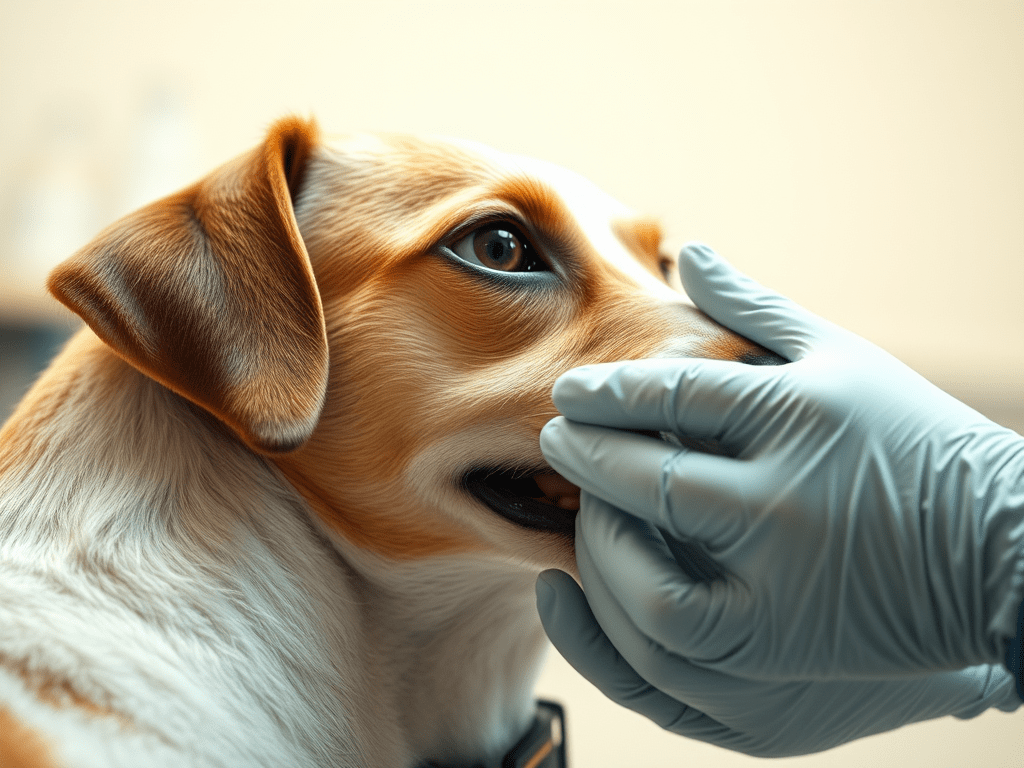
Rabies is a viral disease that affects the nervous system of mammals, including dogs, and is almost always fatal once clinical symptoms. Stopping the spread of rabies in dogs and taking appropriate precautions are crucial to protecting both animal and human health, as rabies can be transmitted from animals to humans through bites or scratches. The most effective way to stop rabies in dogs is through widespread vaccination. Rabies vaccines are highly effective and can prevent the development of the disease even after exposure, if administered promptly. Regular vaccination programs are often mandated by law in many regions, requiring dog owners to vaccinate their pets. In areas where rabies is prevalent, mass vaccination campaigns targeting the dog population have been proven to reduce rabies incidence dramatically. Vaccinating at least 70% of the dog population in a community creates a “herd immunity,” which significantly reduces the risk of transmission. Puppies should be vaccinated at around three months of age, with booster shots given at intervals as recommended by veterinarians.
Besides vaccination, controlling stray dog populations is essential in stopping the spread of rabies. Stray dogs are more likely to be exposed to rabies and act as vectors for the virus, spreading it to other animals and humans. Humane management of stray dog populations through sterilization programs and sheltering, combined with vaccination, can help prevent outbreaks. In many countries, community-based programs work to manage and vaccinate stray animals to mitigate the risk of rabies transmission. Another key component in stopping rabies is public education and awareness. Dog owners must be informed about the importance of rabies vaccination and the risks linked to rabies exposure. Communities need to be educated on how to avoid contact with potentially rabid animals, recognize the symptoms of rabies, and know what to do in case of a bite or scratch. Symptoms in dogs include unusual aggression, excessive salivation, disorientation, and paralysis. If an animal shows any signs of rabies, it should be reported immediately, and individuals who have been exposed should seek medical attention promptly. If a dog is bitten by a rabid animal, immediate action is crucial. Post-exposure prophylaxis (PEP), which involves the administration of the rabies vaccine, can prevent the virus from progressing if given quickly. Time is of the essence in such cases, as the longer the delay, the higher the risk that the virus will reach the brain, at which point the disease becomes untreatable. In regions where rabies is endemic, it is important to have access to veterinary and medical services capable of delivering PEP promptly. Preventing rabies also involves ensuring that dogs are kept in safe environments. Pet owners should supervise their dogs, especially when outside, to prevent contact with wild animals that may be carriers of rabies. Dogs should not be allowed to roam freely in areas where rabies is common. In some cases, dogs may need to wear muzzles to prevent bites, particularly in high-risk settings. Precautionary measures also extend to humans who handle dogs frequently, such as veterinarians, animal control officers, and shelter workers. These individuals are at higher risk of rabies exposure and should receive pre-exposure rabies vaccinations to protect themselves. Additionally, individuals who travel to areas where rabies is common should consider rabies vaccination, particularly if they plan to be in contact with animals.
In conclusion, stopping rabies in dogs is primarily achieved through comprehensive vaccination programs, public education, and responsible dog ownership. Controlling stray populations and limiting dogs’ exposure to wild animals also play key roles in preventing rabies transmission. Immediate action, such as post-exposure treatment for both animals and humans, is necessary when potential exposure occurs. By taking these precautions, communities can significantly reduce the threat posed by rabies and protect both animal and human lives.
Hena’s Blog For Paws © 2019 by Hena Osman is licensed under CC BY 4.0
 Hena's Blog For Paws
Leave a comment