
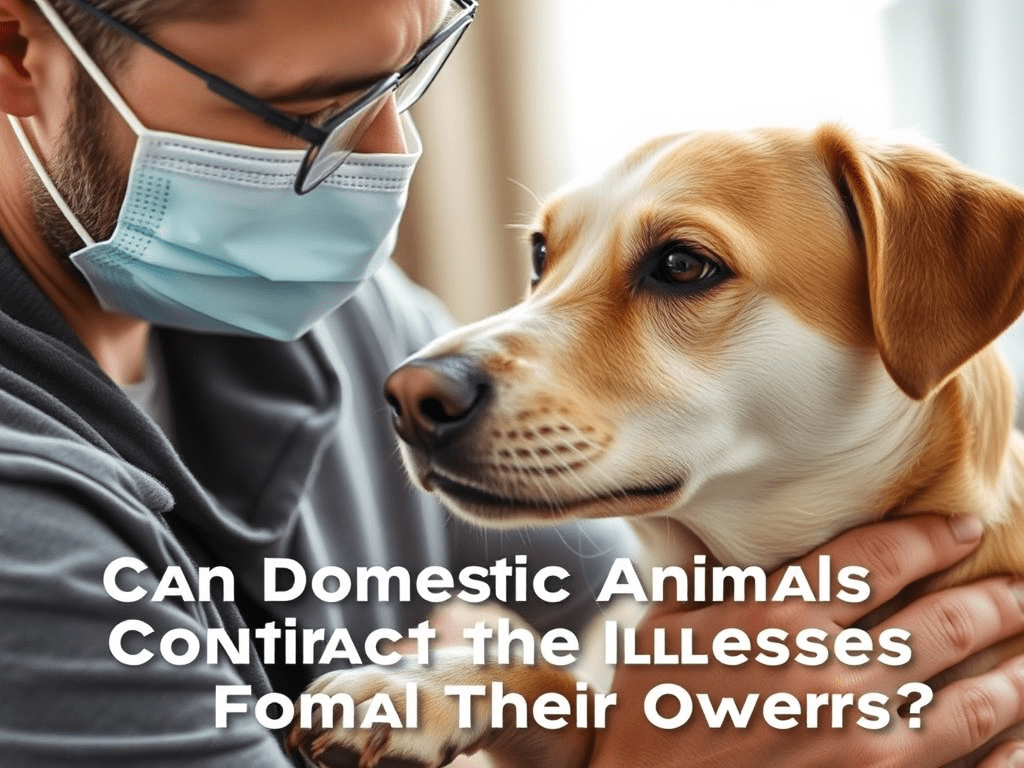
Domestic animals, like dogs, cats, and other pets, live very close to humans. They often share not just homes but also physical interactions. This closeness raises an important question: can domestic animals contract illnesses from their owners? The answer is yes, read below to learn more.
Common Illnesses Transmitted from Humans to Pets
Certain illnesses can be passed from humans to domestic animals, particularly viral, bacterial, or fungal infections. Some examples include:
- Influenza (Flu): Dogs, cats, and ferrets are susceptible to human flu viruses. Infected owners may inadvertently transmit the virus through close contact, coughing, or sneezing.
- Tuberculosis (TB): Although rare, cases have been documented where humans with active TB transmitted the disease to their pets, particularly dogs.
- Methicillin-Resistant Staphylococcus aureus (MRSA): This antibiotic-resistant bacteria can transfer from humans to pets, especially in households with compromised hygiene or close contact.
- Fungal Infections (Ringworm): Humans with ringworm, a contagious fungal infection, can transmit it to their pets through direct skin contact or contaminated surfaces.
- COVID-19 (SARS-CoV-2): The COVID-19 pandemic brought attention to the possibility of humans infecting animals. Cats, dogs, and even ferrets have been reported to contract the virus, although symptoms are generally mild in animals.
How Transmission Occurs
Transmission typically occurs through direct contact, respiratory droplets, or shared environments. For instance, sneezing, coughing, or touching pets with unwashed hands can expose animals to pathogens. Additionally, contaminated objects, like food bowls or bedding, can act as indirect sources of infection.
Preventing Illness in Pets
To reduce the risk of transmitting illnesses to pets, owners should:
- Practice Good Hygiene: Wash hands frequently, especially after sneezing or coughing, and before handling pets.
- Avoid Close Contact When Sick: Limit face-to-face interaction, such as petting or cuddling, if you’re unwell.
- Keep Vaccinations Current: Ensure pets are vaccinated against common diseases to boost their immunity.
- Consult a Veterinarian: If you suspect your pet is unwell or has been exposed to an illness, seek veterinary care promptly.
In conclusion, while reverse zoonosis is less common than zoonosis, it is a real concern. Responsible pet ownership, awareness, and proper hygiene can help minimize the risk of transmitting illnesses to your beloved companions.
Follow us on our Facebook Group
Hena’s Blog For Paws © 2019 by Hena Osman is licensed under CC BY 4.0
 Hena's Blog For Paws
Leave a comment