
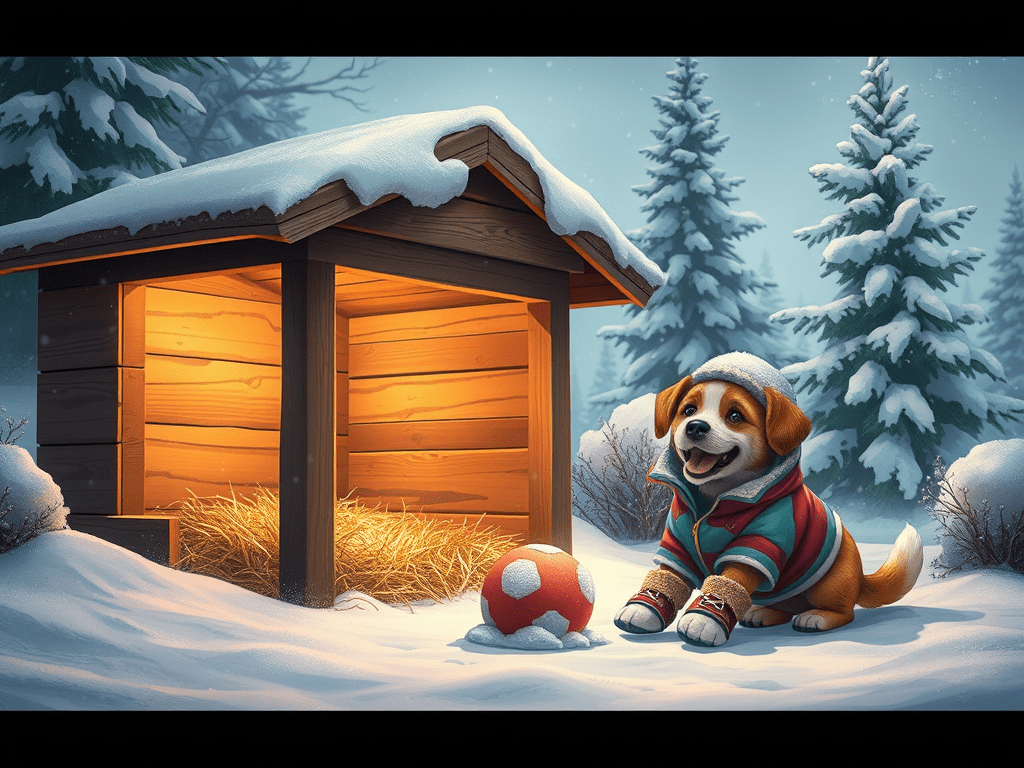
Keeping pets safer during winters requires attention to their dietary needs, increased shelter protection, and health checks. These measures ensure they remain healthy and comfortable. Pet owners should provide high-calorie foods to help pets maintain their energy levels and body heat. This is especially important for outdoor pets that spend extended periods outside. Adequate shelter is crucial. Pet owners should ensure their pet’s living area is well-insulated, dry, and draft-free. Bedding material like straw or cedar shavings can help keep pets warm and comfortable. The shelter should also protect pets from wind, rain, and snow. Pet owners can consider investing in insulated doghouses or cat houses specifically designed for outdoor pets.
Regular health checks are vital during winters. Pets are more susceptible to illnesses and injuries during this season. Pet owners should monitor their pets’ behavior. They should watch for signs of stress, discomfort, or illness such as shivering, whining, or lethargy. Pet owners should consult their veterinarian if they notice any unusual behavior. Regular vaccinations and preventatives like heartworm medication and flea and tick control should also be continued during winters. Pets need regular exercise and mental stimulation during winters Pet owners can provide indoor activities like puzzle toys and scratching posts for cats and indoor fetch or obedience training for dogs They can also consider creating a warm and safe outdoor area for pets to exercise and play Shorter more frequent walks can help prevent exposure to extreme cold. Pet owners should also protect their pets from winter hazards like antifreeze and ice-melting chemicals which can be toxic to pets They should keep these substances out of reach and clean up spills immediately Pets should also be kept away from frozen lakes and rivers as the ice may not be stable. Grooming is essential during winters as pets’ coats need extra care. Pet owners should brush their pets regularly to prevent matting and tangling. They should trim the coat around the paws and legs to prevent ice accumulation. Pet owners should also clean their pets’ paws after walks to remove salt and chemicals. They can consider using pet-specific winter gear like coats and booties for added protection. Providing a warm and comfortable place to sleep is crucial Pet owners can use heated beds or mattresses specifically designed for pets They should also ensure their pets have access to fresh water at all times Pet owners can consider using heated water bowls or changing the water frequently to prevent freezing. In addition to these precautions, pet owners should be aware of specific winter risks. These include hypothermia and frostbite. Symptoms include shivering, confusion, and lethargy. If pet owners suspect their pet has hypothermia or frostbite, they should seek veterinary attention immediately.
Finally, pet owners should plan for emergencies like power outages. They should also prepare for extreme weather conditions. Owners need to have a pet emergency kit ready with essentials like food, water, medication, and first aid supplies. It’s important to identify nearby pet-friendly shelters and hotels in case they need to evacuate. By taking these precautions, pet owners can help ensure their pets remain safe and healthy during the harsh winter months. Remembering these tips can significantly reduce the risk of winter-related illnesses and injuries in pets. It will also keep them warm and comfortable throughout the season.
Follow us on our Facebook Group
Hena’s Blog For Paws © 2019 by Hena Osman is licensed
 Hena's Blog For Paws
Leave a comment