
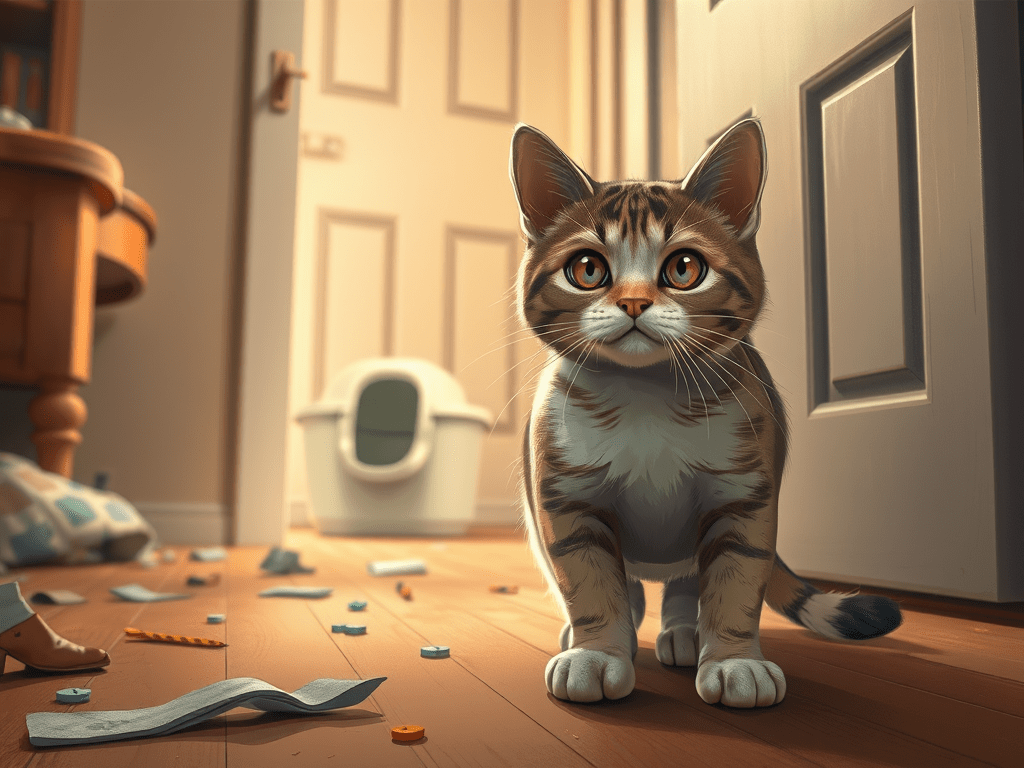
Cats can suffer from separation anxiety, just like humans and dogs. Here are some common signs to look out for:
Behavioral Changes
- Destructive behavior: Scratching furniture, knocking over objects, or destroying household items.
- Vocalization: Excessive meowing, crying, or howling when you leave the house or room.
- Pacing: Restless pacing back and forth, often near doors or windows.
- Escape attempts: Trying to follow you out the door or attempting to escape through windows.
Physical Symptoms
- Increased heart rate: Rapid breathing or an increased heart rate when you leave.
- Trembling or shaking: Visible trembling or shaking, especially when you’re preparing to leave.
- Panting: Rapid panting or breathing, even in cool environments.
Elimination Issues
- Accidents outside the litter box: Urinating or defecating in inappropriate locations.
- Increased urine marking: Spraying or marking territory with urine.
Other Signs
- Clingsiness: Becoming overly attached or clingy when you’re home.
- Withdrawal: Withdrawing or hiding when you leave.
- Increased attention-seeking: Engaging in attention-seeking behaviors, such as pawing or meowing loudly.
If you suspect your cat is experiencing separation anxiety, consult with a veterinarian. You can also speak to a certified animal behaviorist. They can help you develop a plan to address these issues.
Hena’s Blog For Paws © 2019 by Hena Osman is licensed under CC BY 4.0
 Hena's Blog For Paws
Leave a comment