
- Blood Typing
Determine the dog’s blood type (DEA 1.0, DEA 1.1, DEA 4, etc.) to make sure compatibility.
Use blood typing kits or send samples to a laboratory for testing. - Cross-Matching
Perform a cross-match test to detect any adverse reactions between the donor’s blood and the recipient’s blood.
This test helps identify potential incompatibilities. - Donor Selection
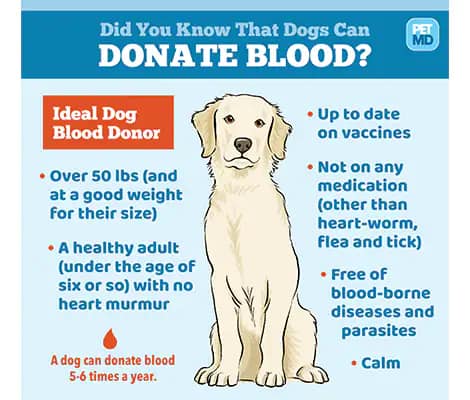
Choose a healthy donor dog with a compatible blood type.
Ensure the donor dog is free from infectious diseases (e.g., ehrlichiosis, babesiosis).
Evaluate the donor dog’s hematological parameters (e.g., PCV, hemoglobin). - Blood Collection and Storage
Collect blood from the donor dog using aseptic techniques.
Store the blood in a sterile container with an anticoagulant (e.g., CPDA-1).
Keep the blood refrigerated at 2-6°C (35.6-42.8°F) until transfusion. - Transfusion Equipment
Use a sterile, pyrogen-free transfusion set.
Ensure the transfusion set has an in-line filter to remove any debris or clots. - Transfusion Rate and Volume
Administer the blood transfusion slowly, starting with a rate of 0.5-1 mL/kg/hour.
Monitor the dog’s vital signs and adjust the transfusion rate as needed.
Calculate the transfusion volume based on the dog’s weight, PCV, and desired increase in PCV. - Observing
Closely monitor the dog’s vital signs (e.g., temperature, heart rate, respiratory rate, blood pressure).
Watch for signs of transfusion reactions (e.g., vomiting, diarrhea, lethargy, tachypnea).
Monitor the dog’s PCV and hemoglobin levels during and after the transfusion. - Adverse Reaction Management
Have a plan in place to manage potential adverse reactions (e.g., anaphylaxis, hemolysis).
Keep emergency medications (e.g., epinephrine, antihistamines) readily available.
Hena’s Blog For Paws © 2019 by Hena Osman is licensed under CC BY 4.0
 Hena's Blog For Paws
Leave a comment