
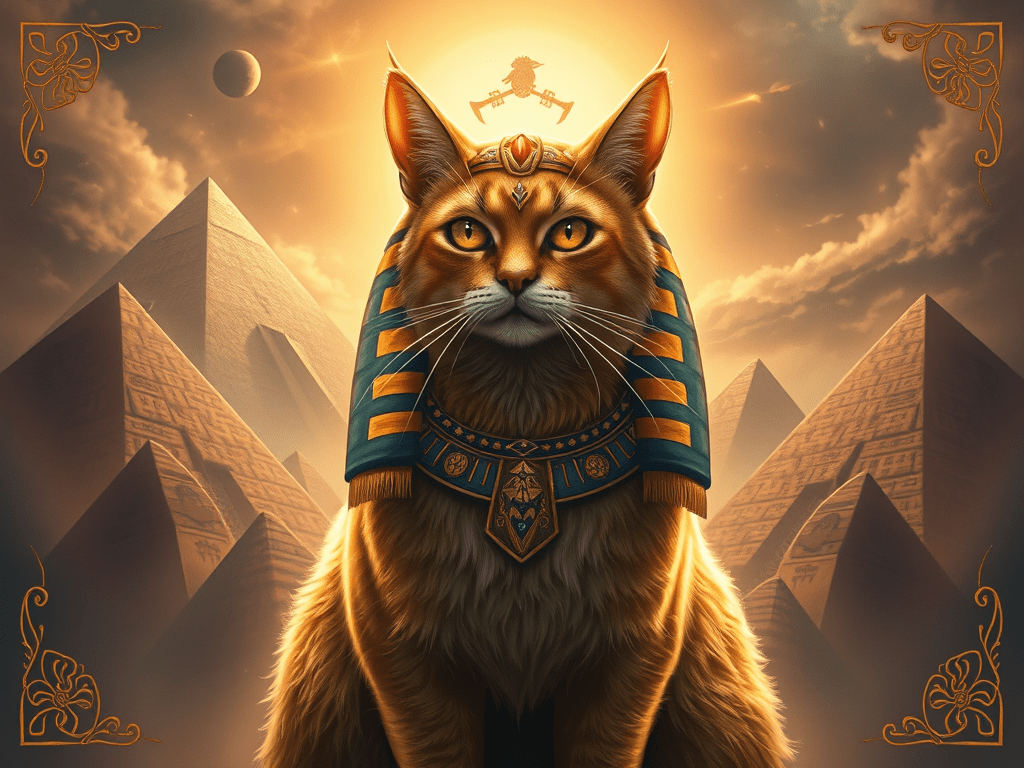
The idea that cats prevent us from devils or evil spirits is intriguing. It is rooted in ancient mythologies and folklore. While it’s not supported by scientific evidence, let’s delve into the historical and cultural significance of this idea.
Ancient Egyptian Mythology
In ancient Egyptian mythology, cats were revered as sacred animals associated with the goddess Bastet (or Bast). Bastet was often depicted as a cat or a woman with the head of a cat. She was believed to protect the pharaohs, their homes, and the people from evil spirits and snakes.
European Folklore
During the Middle Ages in Europe, people often saw cats as companions to witches. They believed cats possessed supernatural powers. However, in some cultures, cats were also thought to ward off evil spirits, demons, and even the devil himself.
Asian Cultures
In Japanese folklore, the Maneki-Neko (beckoning cat) is a symbol of good luck and prosperity. It’s believed to ward off evil spirits and attract positive energy.
Islamic Tradition
In Islamic tradition, cats are considered sacred animals due to their association with the Prophet Muhammad. According to legend, Muhammad’s favorite cat, Muezza, was a loyal companion who protected him from harm.
Modern Perspective
The idea that cats prevent us from devils or evil spirits is rooted in mythology and folklore. It’s essential to separate fact from fiction. There’s no scientific evidence to support the notion that cats possess supernatural powers or can ward off evil entities. However, cats do provide companionship, emotional support, and pest control, which can contribute to a sense of well-being and security.
In conclusion, the idea that cats prevent us from devils or evil spirits is a captivating concept with deep roots in ancient mythologies and folklore. This belief may not be supported by scientific evidence. However, it highlights the significant cultural and symbolic importance of cats across various societies and tradition.
Follow us on our Facebook Group
Hena’s Blog For Paws © 2019 by Hena Osman is licensed under CC BY 4.0
 Hena's Blog For Paws
Leave a comment