
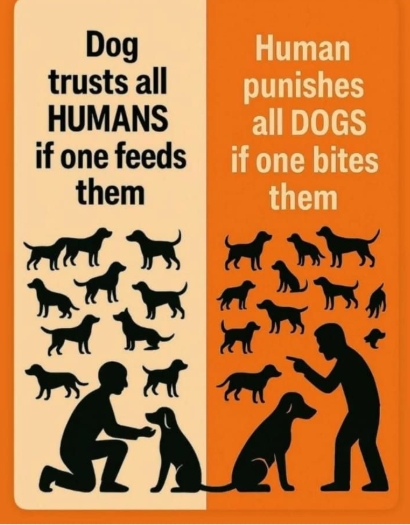
Helping animals understand that not all humans are cruel is not about “teaching” them in a human sense. It is more about proving through consistent, gentle actions that kindness exists. Animals learn through experiences. If enough of those experiences are positive, they begin to build trust. This can happen slowly or with cautious curiosity.
Here are some ways we can bridge that trust gap:
1. Approach with Patience and Respect
Don’t rush towards animals, especially strays or rescues. Let them approach you first. Maintain calm body language, speak softly, and avoid sudden movements. Trust is earned drop by drop, not forced in an instant.
2. Offer Food and Water Regularly
For many street animals, survival is a daily struggle. Consistently offering fresh water and safe food creates an association of humans with safety and comfort. Over time, they begin to recognize “good humans” by scent, voice, and presence.
3. Avoid Dominance—Show Compassion
Instead of trying to “control” an animal, work with them. Let them feel in charge of their personal space. For example, in training or handling, reward cooperation rather than punishing resistance.
4. Be Gentle in Medical Care
Many animals fear humans. This is often due to past trauma from rough handling. Such trauma is especially prevalent during capture or treatment. Gentle veterinary care, using soft handling techniques, helps them realize that humans can heal instead of harm.
5. Create Safe Community Spaces
Animal shelters, feeding points, and shaded rest areas are essential in neighborhoods. They help build a shared space where animals feel secure. If they see humans protecting their territory rather than chasing them away, their trust grows.
6. Use Familiarity and Routine
Animals recognize patterns. If they see the same kind person offering help daily, their brain marks it as “safe.” This is especially important for traumatized or abused animals who have lost faith in people.
7. Teach Children Early
When the next generation grows up respecting animals, their natural kindness will be felt. It will be remembered by the animals they meet. A child’s gentle touch can often open a door to trust faster than an adult’s.
8. Show Kindness Publicly
When animals witness humans protecting them from cruelty, they begin to associate humans with protection. This can happen when someone stops a person from hitting a dog or rescues an injured bird. Animals will then see humans as a source of safety, not danger.
In short, we can’t “explain” to animals that not all humans are cruel. However, we can show them—again and again—through small, consistent acts of compassion. We do this until their natural instinct to survive is replaced by a willingness to trust.
Hena’s Blog For Paws © 2019 by Hena Osman is licensed under CC BY 4.0
 Hena's Blog For Paws
Leave a comment