
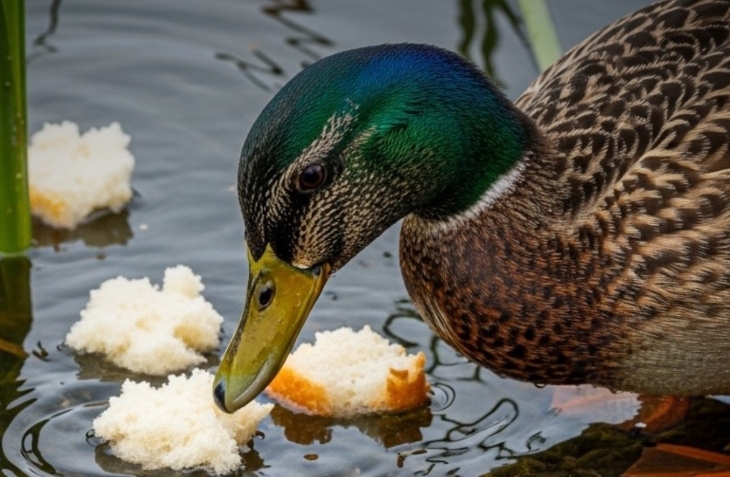
Ducks are fascinating waterfowl known for their adaptability, colorful plumage, and cheerful presence in wetlands around the world. They belong to the family Anatidae, which also includes geese and swans. Ducks are found on every continent except Antarctica, thriving in both freshwater and saltwater environments.
Habitat
Ducks typically inhabit wetlands, ponds, lakes, rivers, marshes, and coastal bays. These areas provide everything they need — food, shelter, nesting sites, and protection from predators. Some species, like mallards, prefer calm freshwater. Others, such as eiders or sea ducks, live along coastal waters and even open seas.
In these habitats, vegetation plays an important role. Reeds, grasses, and aquatic plants offer cover and nesting spots. Shallow water areas allow ducks to dabble or dive for food. Depending on the species, ducks may nest on the ground near the water’s edge. They may also nest in tall grasses or even in tree hollows close to ponds.
Adaptability
Ducks are highly adaptable birds. Many species migrate seasonally, traveling long distances between breeding and wintering grounds. Urban and suburban parks, rice fields, and reservoirs have also become home to various duck species. This shows their ability to adjust to human-altered landscapes.
Role in Nature
Ducks play a key ecological role by helping maintain healthy wetlands. Their feeding habits control insect populations and distribute seeds through their droppings, supporting plant growth.
In essence, a duck’s habitat consists of water, vegetation, and safety. This combination supports their semi-aquatic lifestyle. Ducks glide peacefully across ponds. They forage in marshy fields. They remind us of the beauty and harmony of wetland ecosystems.
Hena’s Blog For Paws © 2019 by Hena Osman is licensed under CC BY 4.0
 Hena's Blog For Paws
Leave a comment