
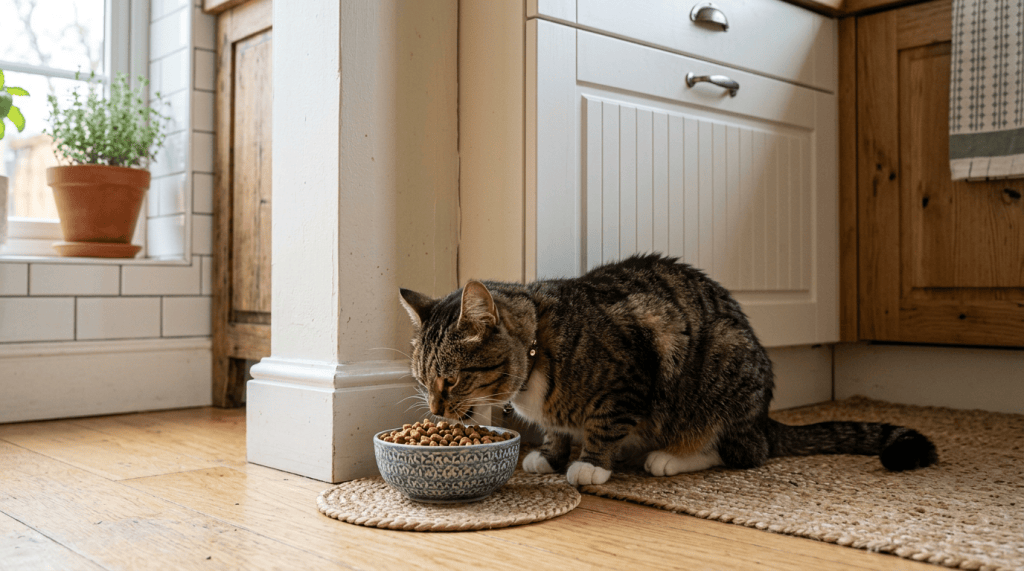
Feeding cats exclusively dry kibble from a single reputable brand can be healthy, provided the food is complete and balanced and meets their age-specific nutritional requirements. Good-quality dry cat food contains essential nutrients such as animal protein, taurine, vitamins, minerals and fatty acids that support muscle development, healthy skin, a shiny coat and overall well-being. However, one important concern with an exclusively dry-food diet is its low moisture content. Since cats naturally have a relatively low thirst drive, they may not consume enough water, making adequate hydration particularly important for supporting urinary tract and kidney health.
Introducing wet food and occasional home-cooked meals can add variety and dietary moisture to a cat’s routine. However, pet owners must understand that meat alone does not provide all the essential nutrients cats require. A homemade diet must be carefully formulated with the guidance of a veterinary nutritionist if it is intended to replace a significant portion of commercial food. Complete and balanced wet cat food is another practical option because of its higher moisture content, which can help increase daily water intake.
Ultimately, feeding cats should not simply be about filling their stomachs; it should be about providing balanced nutrition that supports their long-term health and well-being. A combination of good-quality dry kibble and complete wet food can be a sensible dietary approach for many cats, while home-cooked food can be offered occasionally as a supplement. Always provide fresh drinking water, monitor your cat’s weight and digestion, and introduce dietary changes gradually. Remember, responsible pet ownership begins with understanding that proper nutrition is one of the most important investments in our furry friends’ health and quality of life.
Hena’s Blog For Paws © 2019 by Hena Osman is licensed under CC BY 4.0


Leave a Reply